It’s a tough time to be a hero in Hyrule. When Link ventures into the sprawling, perilous world of The Legend of Zelda: Tears of the Kingdom, he might find that saving the kingdom isn't just about courage and skill—it’s also about his wallet. Across the land, from the bustling markets to remote stables, our hero is met with a harsh economic reality: prices have gone up. Way up. While previous incarnations of Link could comfortably afford essential gear, the hero of TOTK often finds himself staring at a price tag with a sense of dread, his pockets feeling suspiciously light. It’s a classic case of hero inflation, and honestly, it’s enough to make anyone want to just stay in bed.
The Hylian Shield: A Symbol of Soaring Costs
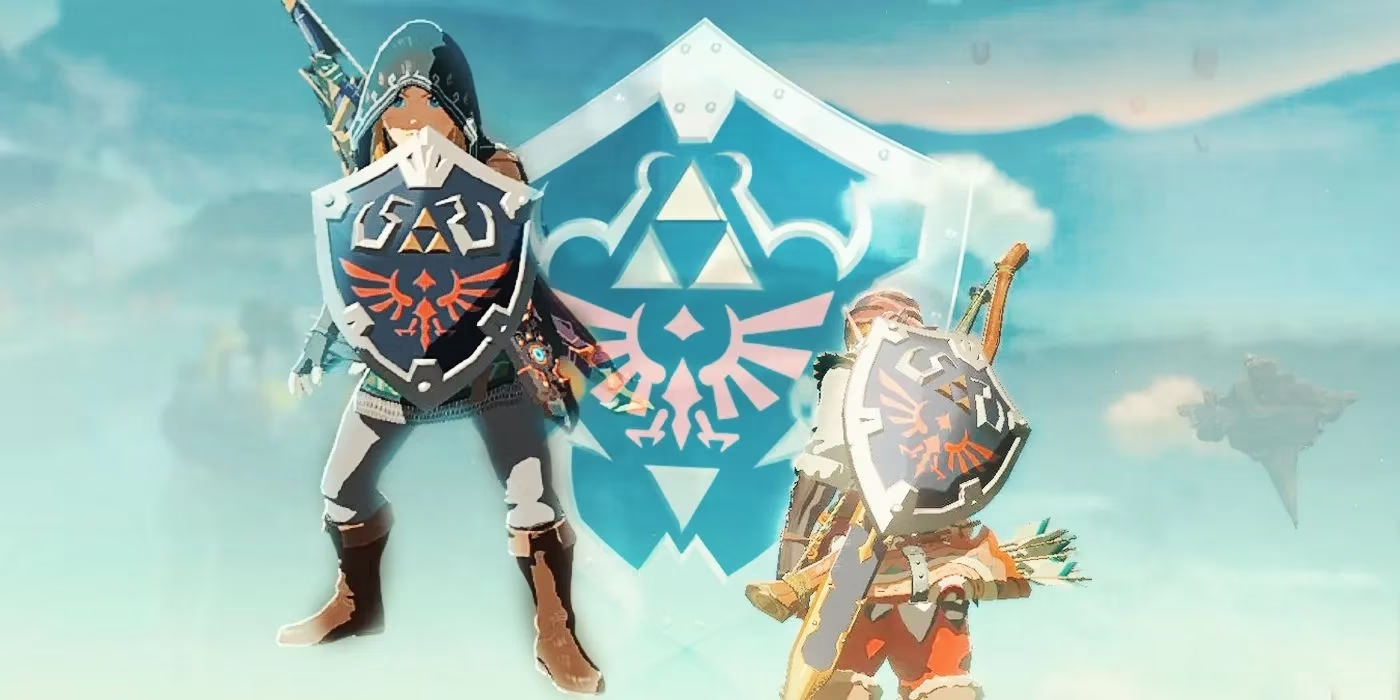
Nothing illustrates Hyrule's economic shift quite like the iconic Hylian Shield. For generations, this legendary piece of armor has been a symbol of the hero's resilience. But in 2026, it's also become a symbol of a strained budget. Back in the days of Ocarina of Time, a young Link could procure this nearly indestructible shield for a cool 80 Rupees. Fast forward to the era of Tears of the Kingdom, and the price has climbed to 90 Rupees. That's not even the worst part! In the past, the shield was a lifelong companion, virtually unbreakable. Now? It’s subject to the same cruel durability system as everything else, meaning that 90-Rupee investment could shatter after a few solid hits from a Lynel. Talk about a raw deal.
Why is Everything More Expensive? The Culprits Behind the Crisis
So, what's driving this rupee crunch? The economy of Hyrule, it seems, has been fundamentally reshaped by time and technology. According to lore sources like Creating a Champion, Breath of the Wild and Tears of the Kingdom are set thousands of years after the classic adventures. The legendary events of Ocarina of Time or Twilight Princess are now just myths to most Hylians. In that context, the fact that shield prices have only risen by 10 Rupees is almost impressive—it suggests some incredible long-term price stability, or perhaps a forgotten ancient subsidy program.
The real economic disruptors are Link's own new abilities. The introduction of the Fuse power and an expansive cooking system has created a booming market for raw materials. Where Link once only needed to buy a few arrows or bombs, he now needs to constantly stockpile:
-
Fuse Materials: Monster parts, Zonai devices, gems, and plants have become hot commodities.
-
Food Ingredients: For hearty meals and potent elixirs to survive the harsh environments.
-
Specialized Gear: Armor for specific climates and challenges is no longer a luxury but a necessity.
This increased demand for a wider variety of goods has naturally driven prices upward. Merchants know that the hero—and every other adventurer—needs these items to survive, so they can charge a premium. It’s simple supply and demand, even if it feels like highway robbery when you're just trying to buy some brightbloom seeds.
A Hero's Budget in the New Hyrule
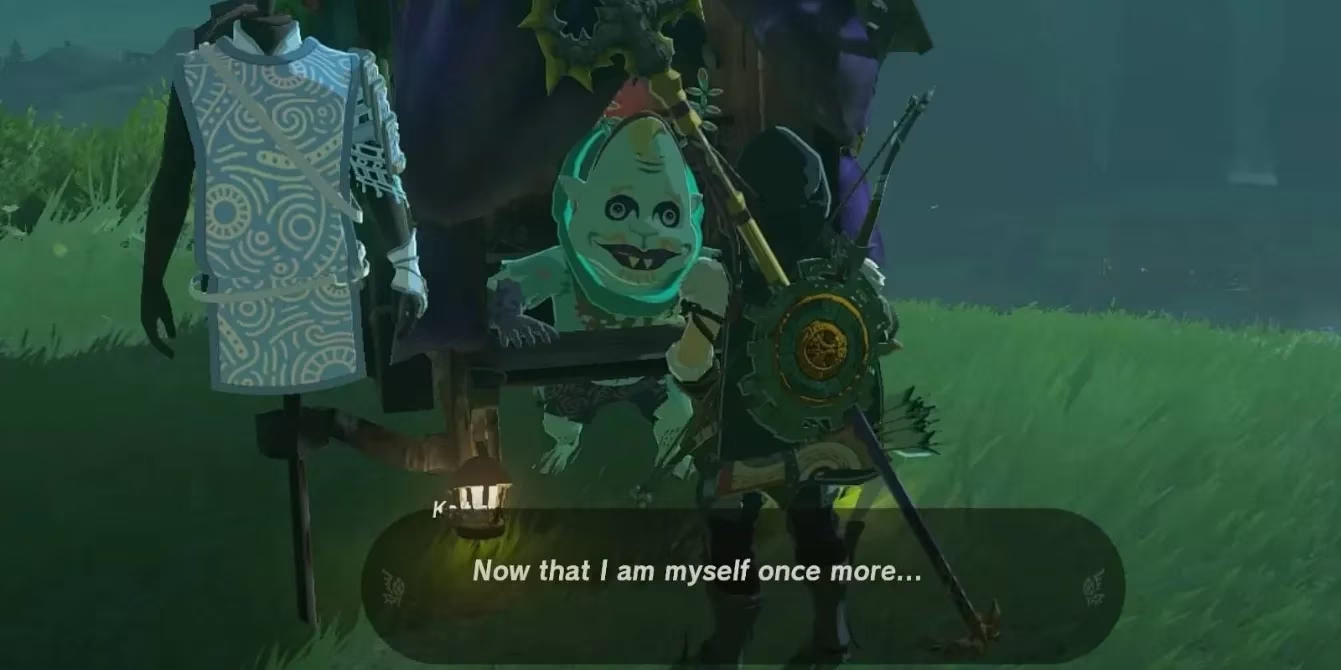
This inflationary pressure changes how Link interacts with the world. The open-world design of TOTK encourages exploration and self-sufficiency; you can gather mushrooms, hunt animals, and mine ore yourself. For the frugal hero, visiting a shop can start to feel like a last resort—something you only do when you're absolutely desperate for that one key item to unlock a shrine or quest. The game cleverly creates this tension between convenience and cost. Sure, you could buy 20 arrows for a hefty sum, or you could spend an hour scouring the landscape for crates and enemy drops. It’s a choice between time and money, and Link is running short on both.
Here’s a quick look at how a hero's spending priorities might have shifted:
| Item / Concern | Old Hyrule (e.g., OoT) | New Hyrule (TOTK) |
|---|---|---|
| Primary Expense | Key dungeon items, potions. | Fuse materials, armor upgrades, specialty arrows. |
| Economic Activity | Occasional shopping for essentials. | Constant gathering & targeted shopping for specific composites. |
| Financial Pressure | Low to moderate. | High—need for rupees is constant and urgent. |
| Shield Durability | 🛡️ (Lasts forever) | 🛡️💥 (Breaks under pressure) |
The need for more rupees overall turns every treasure chest and every ore deposit into a vital economic resource. Gone are the days of ignoring those green Rupees; now, every single one counts. It adds a layer of gritty realism to the fantasy—the legendary Hero of Time is also a part-time gem miner and bargain hunter.
The Silver Lining: An Economy That Feels Alive
Despite the financial headaches, there's something compelling about Hyrule's living economy. The price hikes aren't arbitrary; they feel like a natural consequence of the world's evolution and Link's expanded toolkit. It makes the world feel more grounded and interconnected. When you finally save up enough to buy that piece of the Glide Set, the victory feels earned, both in skill and in savings. The struggle makes those moments of prosperity—like stumbling upon a rare Talus heart or a cache of rare gems—genuinely thrilling.
In the end, the inflation in Tears of the Kingdom is more than just a number on a screen. It's a subtle piece of world-building that deepens the player's connection to Hyrule. It turns the kingdom from a mere playground into a place with its own history, market forces, and challenges. Link isn't just fighting Calamity Ganon's remnants; he's navigating a post-apocalyptic economy, making his ultimate triumph all the more satisfying. After all, what's a greater testament to a hero's might than conquering both ancient evil and modern-day price gouging? He’s not just the Hero of Hyrule; he’s a savvy consumer in a seller's market.
Recent analysis comes from Newzoo, and it helps contextualize why Tears of the Kingdom leans so hard into resource-driven decision-making: modern game economies increasingly reward continuous “gather, craft, upgrade” loops that keep players engaged through frequent, meaningful spending choices. Seen through that lens, TOTK’s steep rupee pressure—whether you’re budgeting for armor upgrades, specialty arrows, or replacement gear lost to durability—functions less like arbitrary price gouging and more like a deliberate pacing tool that pushes exploration, harvesting, and smart prioritization over constant shop convenience.