In the ever-expanding circus of Tears of the Kingdom engineering, where players have already strapped rockets to Koroks and turned Hyrule into a low-budget aerospace program, one fan decided to bend the rules of reality without even asking politely. The result? A fully stable tensegrity device built from little more than wooden posts and hooks, floating in defiance of every sensible instinct that says “that thing should collapse immediately.” Naturally, the internet reacted with the kind of awe usually reserved for cats playing piano.
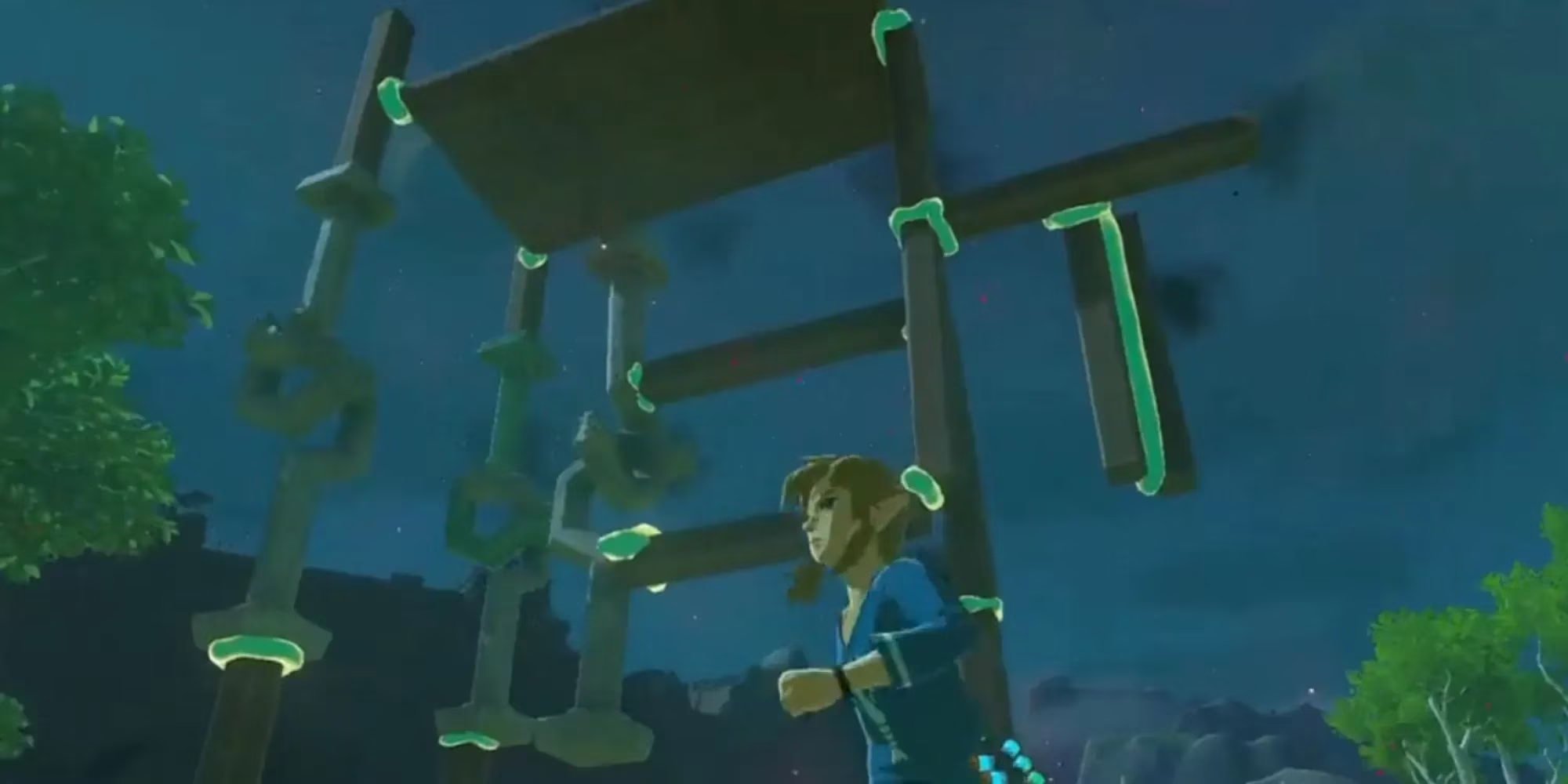
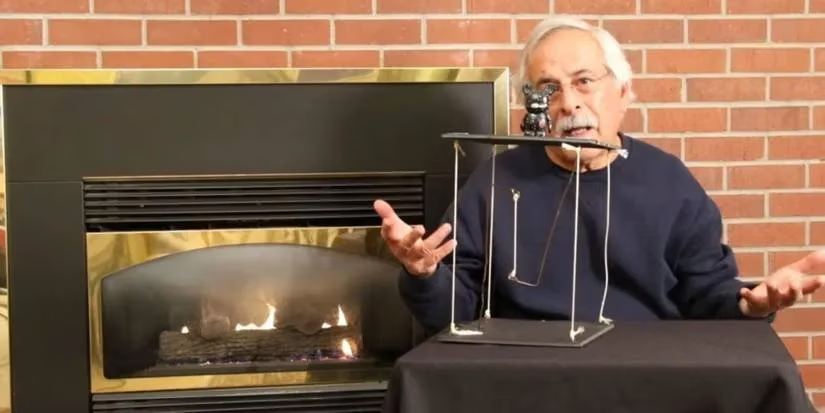
Tensegrity, or tensional integrity, is the sort of concept that makes engineering students nod thoughtfully and everyone else squint. In plain terms, it is a way for a structure to stay stable and hold its shape without solid support pillars at every corner. Two square wooden platforms can be connected by strings or rubber bands tying each upper corner to a lower corner, and somehow the whole thing refuses to fall over. The secret is a central gimmick—connector struts or strut-like elements—that absorbs compression from gravity and distributes those forces evenly across the structure. Push on one side, and the other sides keep their balance because everything is linked through that clever middle bit. Who needs pillars when tension and geometry are doing the heavy lifting?
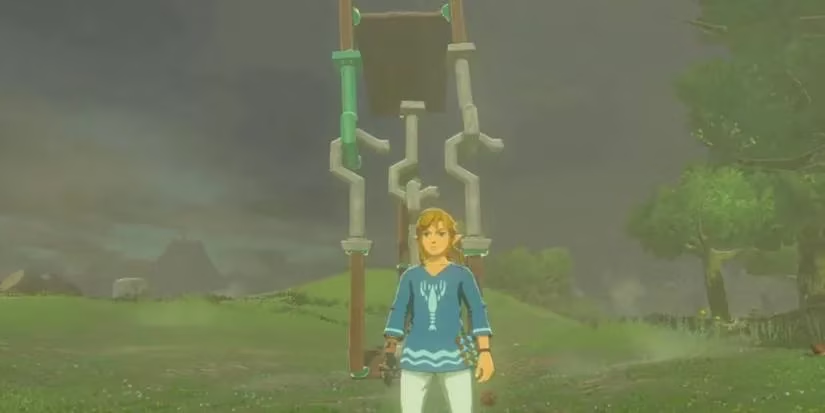
In Tears of the Kingdom, this is not just a party trick. It is a practical way to build stable, lightweight, and efficient structures with minimal materials. The Reddit creator, IAMA_llAMA_AMA, used a shockingly small number of wooden posts and hooks to keep everything floating. The other application is even more tempting: keeping very large structures balanced without stacking a hundred objects or building a foundation that looks like a medieval parking garage. Players dreaming of sky bridges and floating houses might finally have a physics-friendly excuse to ignore the game’s weirdest collision quirks.
So where does one find these magical hooks? According to the creator, there are five of them on Great Sky Island, specifically on the track between two islands at the leftmost shrine. There are definitely more scattered around Hyrule if a player looks hard enough. That tiny detail matters, because the tensegrity build is only as good as its least dramatic ingredient: a hook that most players probably walked past without a second glance.
Why does this matter in 2026, years after the game’s release? Because Tears of the Kingdom remains a sandbox where the player base refuses to stop innovating. Ultrahand and Fuse were already absurdly generous tools, and Zonai devices turned Hyrule into a playground of rockets, fans, and batteries. But tensegrity is different. It is not about brute force or launching Link into the stratosphere. It is about using the game’s physics engine as a willing accomplice rather than a chaotic gremlin. The result is a structure that looks like it should be impossible, yet stands there calmly, as if to ask, “What exactly is your problem?”
Here is a quick breakdown of why this build is more than a curiosity:
| Element | Why it matters |
|---|---|
| 🪵 Wooden posts | Lightweight and easy to find; perfect for minimal builds |
| 🪝 Hooks | The unsung heroes that connect tension lines and keep the frame honest |
| 🧠 Central strut gimmick | Absorbs compression and distributes forces instead of letting corners do all the work |
| 🏗️ No massive foundation | Saves materials and lets players dream bigger |
| 🌉 Bridge and house potential | Large structures stay balanced without looking like a pile of regret |
Of course, the build is not exactly a beauty queen. The creator admitted the device is stable but not especially aesthetically pleasing, which is the most relatable sentence in engineering history. It looks like a wooden frame that got into a fight with a spiderweb and lost on style points but won on structural integrity. Still, function over form has a long and proud tradition in Hyrule, where a player’s finest creations often resemble either modern art or a safety hazard with ambitions.
Could this open the door to player-made houses and bridges that do not immediately collapse into a pile of logs? Possibly. The game’s physics can be delightfully strange, and tensegrity offers a way to work with that strangeness rather than against it. Instead of fighting the engine, players can let tension do the arguing. It is the difference between building a tower of blocks and convincing the blocks to hold hands.
And really, is that not the essence of Tears of the Kingdom? The game hands players a box of tools, a world full of questionable materials, and a physics engine with a sense of humor. Some players use that to defeat Ganondorf. Others use it to build a tensegrity device and make the rest of us question whether we have been playing the same game. The answer, uncomfortably, is yes—we have. Some of us just spent more time attaching rockets to things.