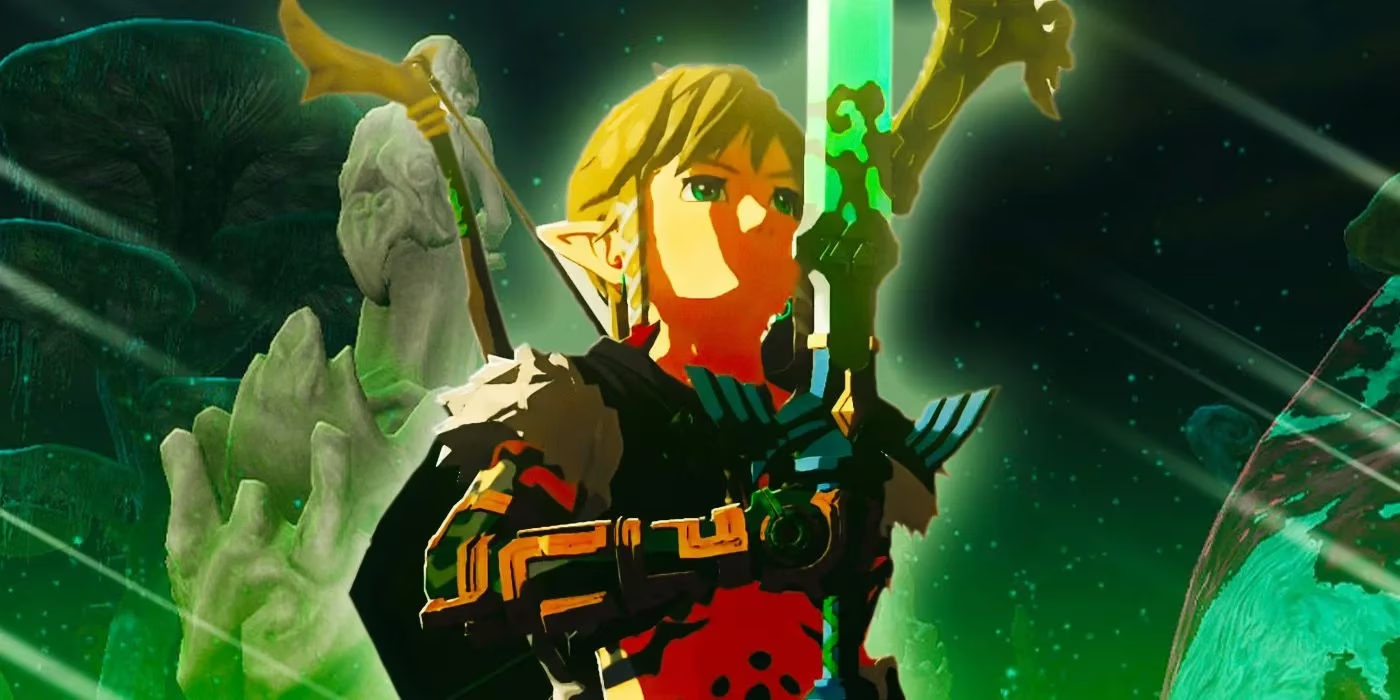
In 2026, The Legend of Zelda: Tears of the Kingdom still has a way of making the Depths feel like a treasure vault with faulty lighting. Ghostly Hylian soldiers stand on stone pillars in the gloom, offering Pristine Weapons that are stronger and more durable than their decayed counterparts. Yet many players keep finding the same humble Traveller's gear. That result is not a bug, and it is not bad luck. It comes from a set of interlocking rules that are easy to miss, even after dozens of hours above and below Hyrule.
The Depths Are Not a Simple Loot Cave
The first rule is regional. Pristine Weapons tend to appear in the parts of the Depths that sit beneath the homeland of the race associated with them. Pristine Zora Weapons are found beneath Zora's Domain, for example, while other regional sets follow similar logic. That detail helps players plan a route, but it does not explain why a ghost keeps offering a basic Traveller's Spear instead of a Royal Halberd.
That is where the hidden unlock system begins. Players often assume that Pristine Weapons simply scale with story progress, or that every ghost has a fixed high-tier reward waiting to be discovered. Neither idea is quite right. The Depths are more like a catalog that only updates after Link has done some deliberate, sometimes wasteful, work on the surface.
Break the Decayed Weapon First
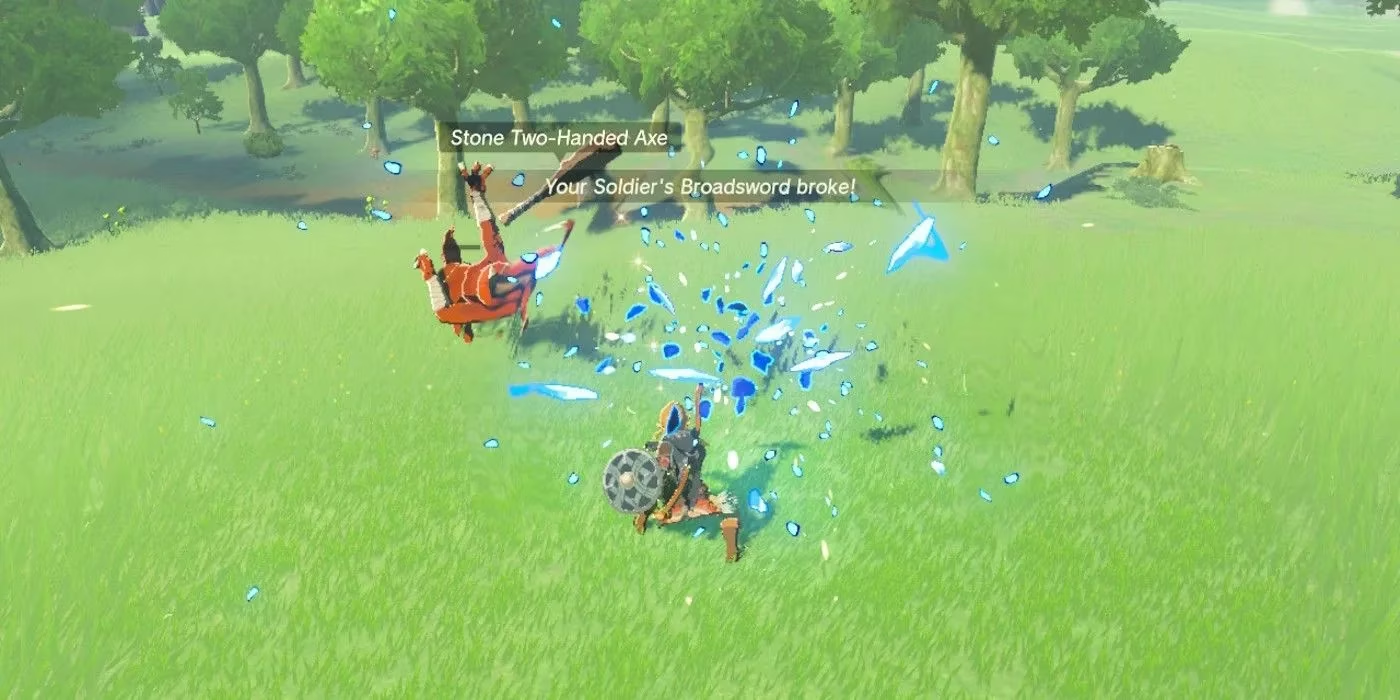
For most Pristine Weapons to enter the spawning pool, Link must first use and break a regular decayed version of that weapon. This includes regional gear such as Zora and Gerudo weapons, as well as higher-tier sets like the Royal Weapon family. Once a weapon type's durability runs out for the first time, that variety is added to the pool of potential Pristine Weapons that ghostly soldiers can offer in the appropriate parts of the Depths.
This is why the system can feel almost punishingly literal. The unlock system is like a library that refuses to catalog a book until someone has read a copy to tatters. Link does not need to hoard every weapon; Link needs to use them, break them, and let the game register that experience. In practice, that means players who avoid weaker weapons because they fear losing them may be delaying the arrival of much better versions.
Ghosts Have Fixed Categories, Random Rolls
Another common misunderstanding involves what a ghost can offer. A given ghost will always stay within one weapon category: one-handed weapon, two-handed weapon, or spear. The specific weapon inside that category can vary from a weaker option to a stronger one, provided the stronger version has already been unlocked.
| Ghost's fixed trait | What it means for players |
|---|---|
| One-handed weapon | The ghost will never switch to a spear or two-handed weapon. |
| Two-handed weapon | The ghost's category remains stable across Blood Moons. |
| Spear | The ghost can offer different spears, but not swords or clubs. |
That stability is useful. Players can learn which ghosts reliably serve a preferred weapon type and return to those locations instead of wandering the entire Depths. The catch is that a ghost may still roll a Traveller's Spear instead of a Soldier's Spear, even when the stronger spear is available in the pool. This is not a contradiction; it is a random draw inside a fixed category.
The Blood Moon Trap
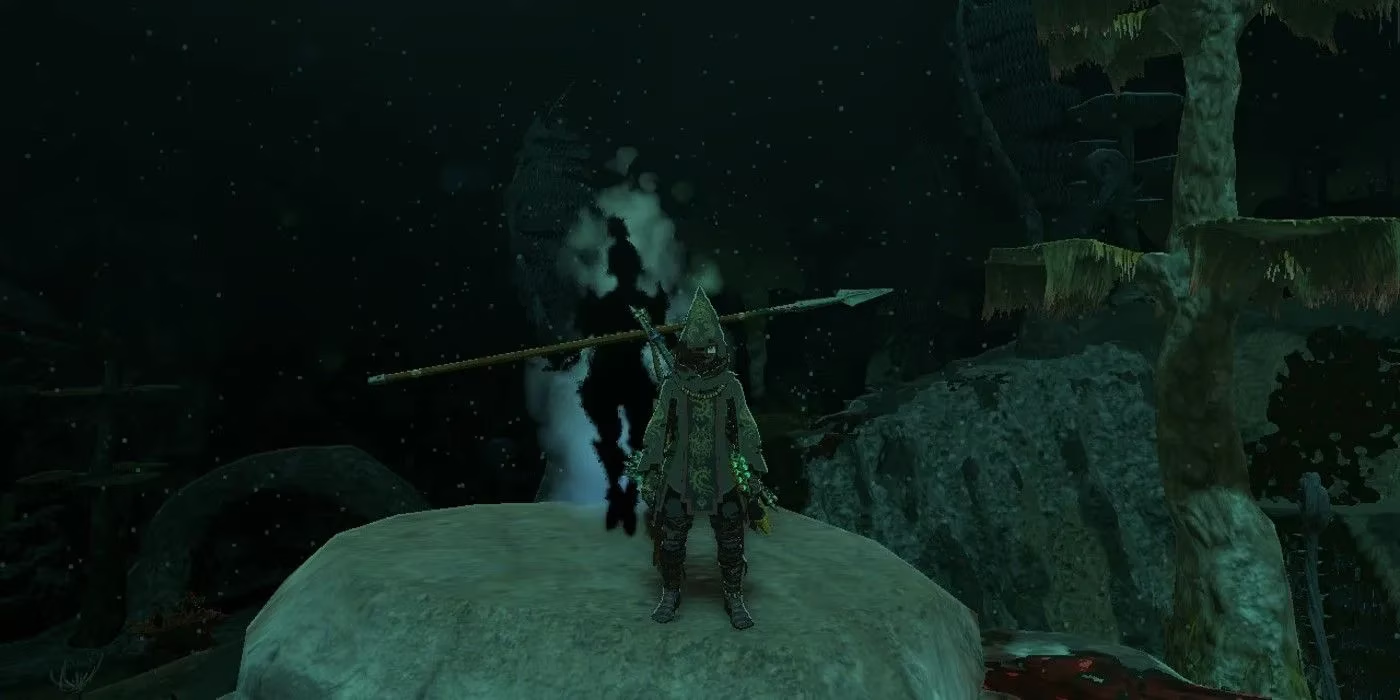
The most important detail is also the easiest to overlook. A ghost's offered weapon is determined when the entity first spawns as Link approaches it. To make that ghost roll a new Pristine Weapon after a Blood Moon, Link must collect the weapon currently being offered. If Link walks away without taking it, the same weapon can persist through the Blood Moon reset.
This creates a subtle trap. A player may explore the Depths early, meet several ghost soldiers, see weak weapons, and leave without collecting them. Later, after unlocking better decayed weapons and stronger Fuse materials, the same player returns expecting upgrades. Instead, those ghosts still hold the same low-tier weapons from the earlier visit. The ghost's inventory behaves like a vending machine that will not restock until someone takes the stale snack already sitting in the slot.
Fortunately, the solution is simple: collect the weapon, then drop it if it is not worth keeping. That small action clears the ghost's current offer and allows the next Blood Moon to refresh the roll. Players who understand this can avoid a self-imposed lockout from higher-tier Pristine Weapons.
Why This Design Works
The whole loop is a bit like a blacksmith who only learns to make a fine blade after watching a cheap one snap at the hilt. It encourages experimentation instead of hoarding. By using and breaking different weapons, Link gradually widens the pool of Pristine Weapons available in the Depths. That makes the durability system feel less like a punishment and more like a long-term investment.
It also pairs neatly with Fusion. Decayed weapons become resources, Fuse materials add value, and Pristine Weapons eventually reward the player with stronger bases. The progression is clear: use the rough tools first, then earn the polished ones. For returning players in 2026, the Depths remain one of TOTK's best hidden classrooms. The game never loudly announces the lesson, but once the rules click, those ghostly soldiers stop looking like disappointing merchants and start looking like a well-stocked armory waiting for Link to do the paperwork.