In 2026, nearly three years after its release, The Legend of Zelda: Tears of the Kingdom is still celebrated for its physics, creativity, and expansive Hyrule. Yet the conversation around its endgame has not aged as gracefully. The game builds an extraordinary system of object interactions and exploration, then returns players to a world that barely acknowledges the defeat of Ganondorf. For a title that encourages so much invention, TOTK's post-game remains a missed opportunity.
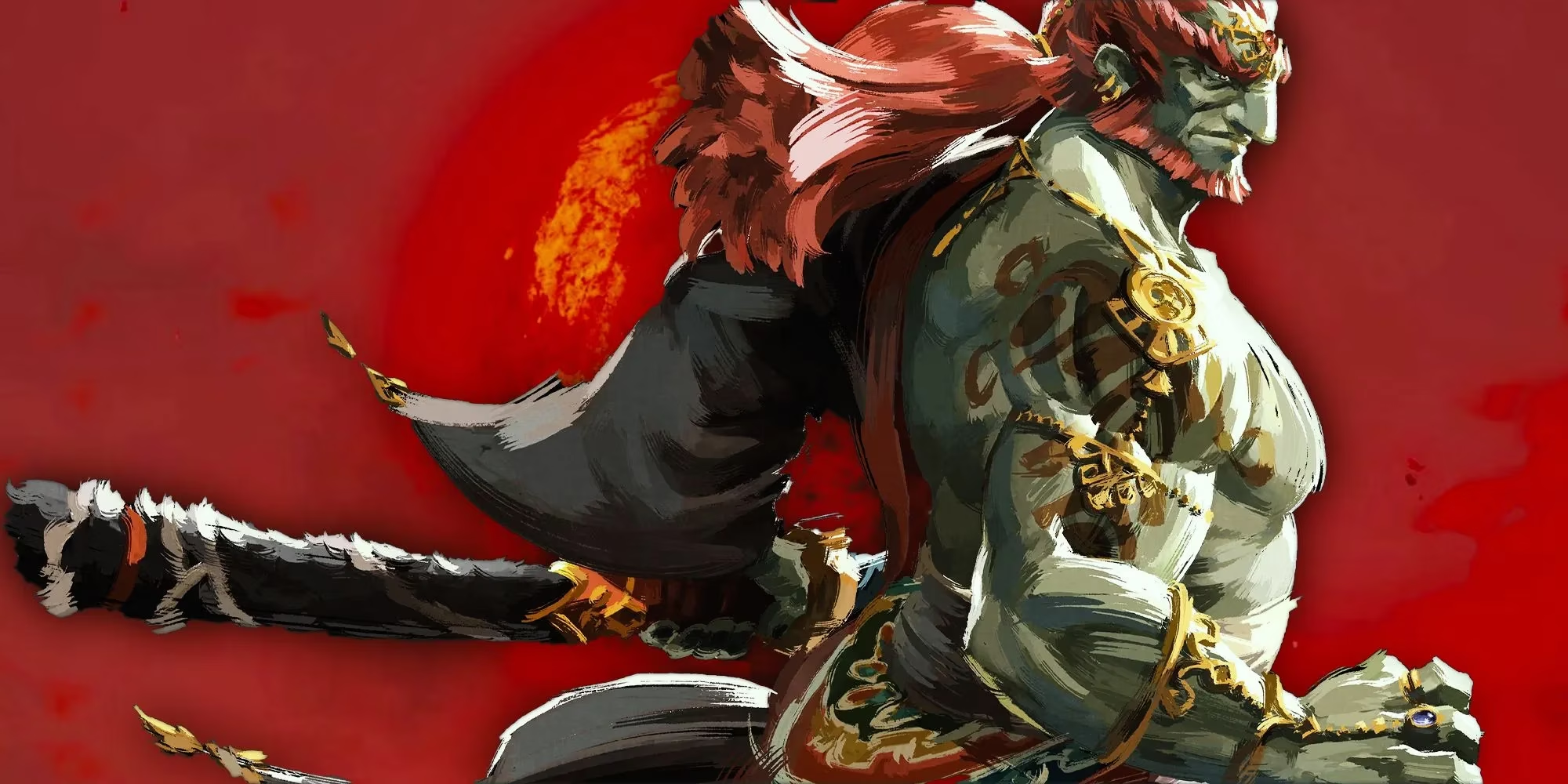
A Hyrule Frozen After Ganondorf
After the final battle, Hyrule does not visibly heal. The Gloom still spreads. Heavy boulders continue to fall from the sky islands onto innocent travelers. Monsters empowered by Ganondorf's resurrection still roam the roads and ruins. Many NPCs continue to speak as if an existential threat looms over the world, even though the demon king has been destroyed. The only tangible change is a star on the save file. That small icon makes the post-game feel like a checkpoint, not a new chapter.
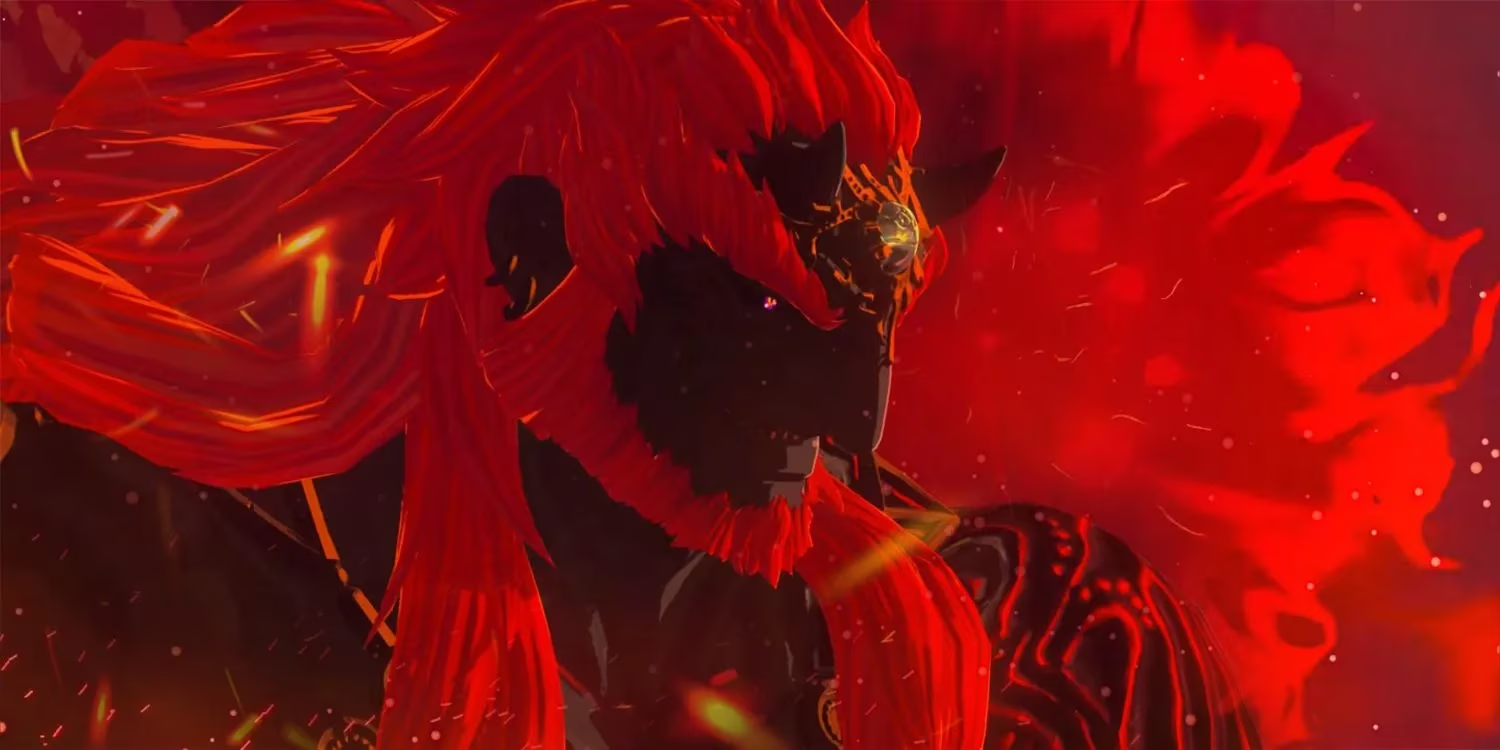
This is not a minor cosmetic issue. The Zelda series has often used its endings to imply renewal, but TOTK rolls back the clock to a pre-final-boss state. Players who want to see a peaceful Hyrule, rebuilt villages, or grateful citizens must imagine it themselves. The game offers no structured aftermath.
The Perfect Setup Was Already There
TOTK already gives Link supernatural construction abilities: Ultrahand, Fuse, and Recall. These tools are perfect for a post-Ganondorf cleanup campaign. Link could rebuild houses crushed by falling rocks. He could engineer cranes to lift the Ring Ruins near Kakariko Village. He could use Recall to undo recent damage. Characters like Purah and Robbie could develop a substance to clean remaining Gloom. Players could build guardrails and bridges over treacherous chasms. Final monster cleanup efforts could become endgame bosses, such as powered-up Lynels occupying evacuated villages that people hope to reinhabit.
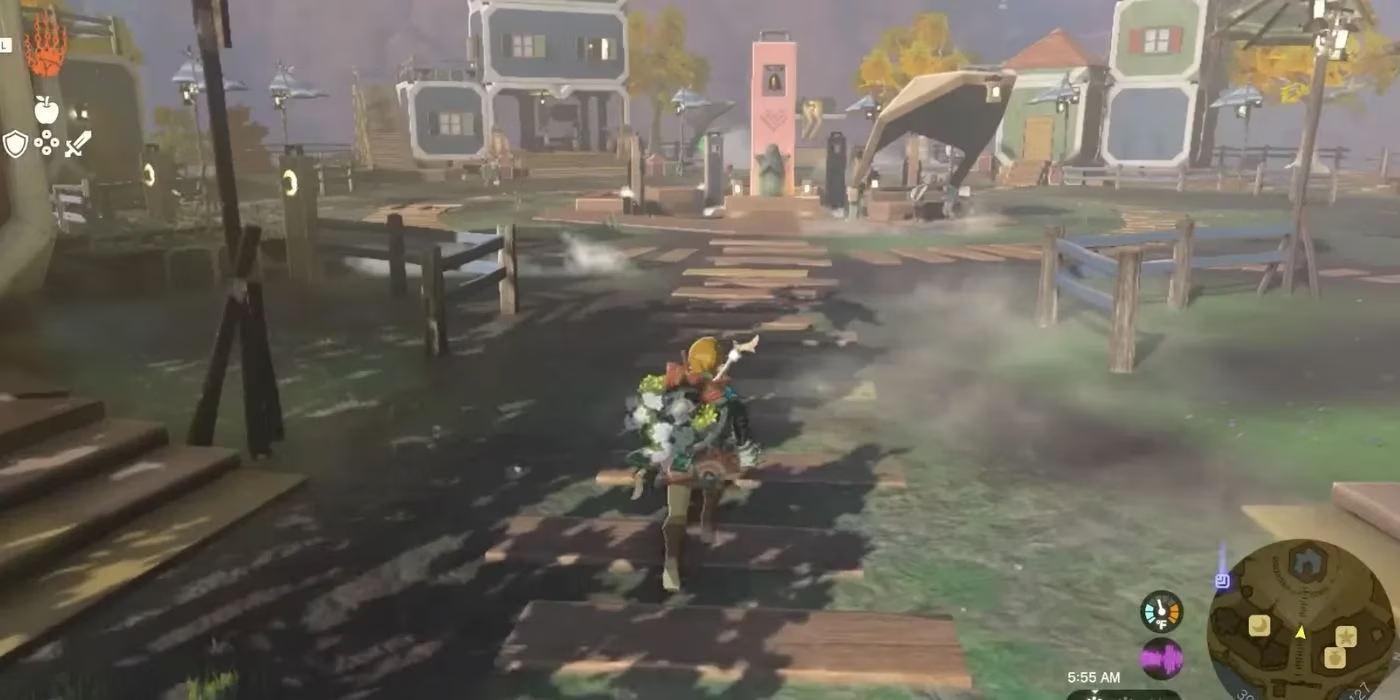
A larger version of the Tarrey Town quest line would fit naturally. It would not need to be as epic as the final showdown with Ganondorf. Rebuilding the world takes effort, and that effort could be exciting. It would also give Link and Zelda more characterization outside world-saving adventures, allowing them to display humility and kindness.
Lessons from Littlewood and Super Mario Odyssey
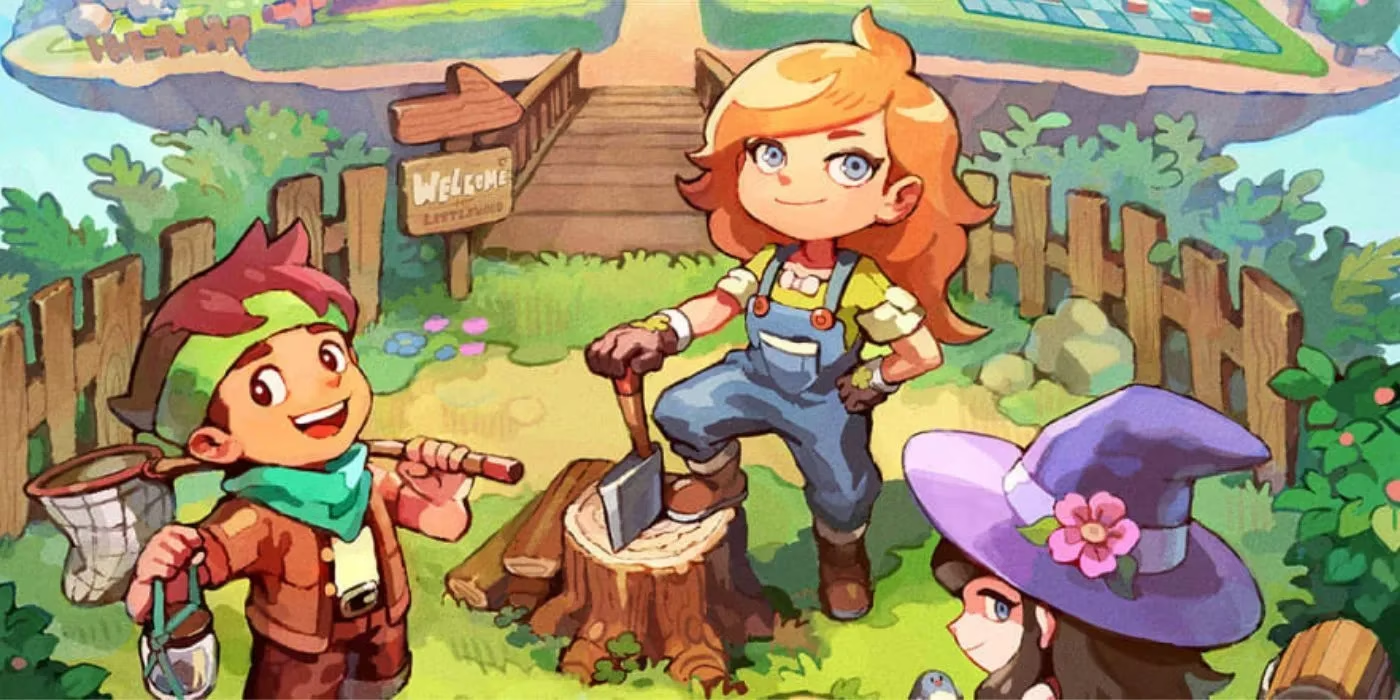
Other games have executed this concept well. The 2021 indie game Littlewood begins after a hero has already defeated a dark wizard. Players then rebuild a desolate fantasy town, plant crops, harvest wood, collect ore, catch bugs, fish, cook meals, and fulfill townspeople's requests. Relationship meters grow, and new scenes unlock. A TOTK endgame would not need mechanics that deep, but Littlewood shows how satisfying a post-victory rebuild can be.
Super Mario Odyssey offers another model. After Mario defeats Bowser, the kingdoms demonstrably change. Characters move to new locations, additional Power Moons appear, and new kingdoms unlock. The post-game can continue almost indefinitely, and players can revisit it whenever they wish. By contrast, TOTK's post-game is limited to clearing remaining side quests and tracking down all 152 shrines.
| Game | Post-game approach | Player impact |
|---|---|---|
| TOTK | Star on save file, unchanged world | Limited |
| Littlewood | Rebuild town, relationships, requests | Deep |
| Super Mario Odyssey | Changed kingdoms, new Power Moons | Expansive |
Why a Post-Ganondorf Endgame Is Difficult
The biggest obstacle is TOTK's ending. After defeating Ganondorf, Link gets his original arm back and loses the prosthetic one. He can no longer access Ultrahand, Fuse, or Recall. A post-game without those powers would be dull and limiting. Link could not complete remaining shrines effectively or act as a builder. There is also no Blood Moon after Ganondorf falls, so enemies would be permanently depleted. TOTK would need an awkward plot contrivance to explain these systems. The Zelda series has used contrivances before, but future installments should avoid them when possible.
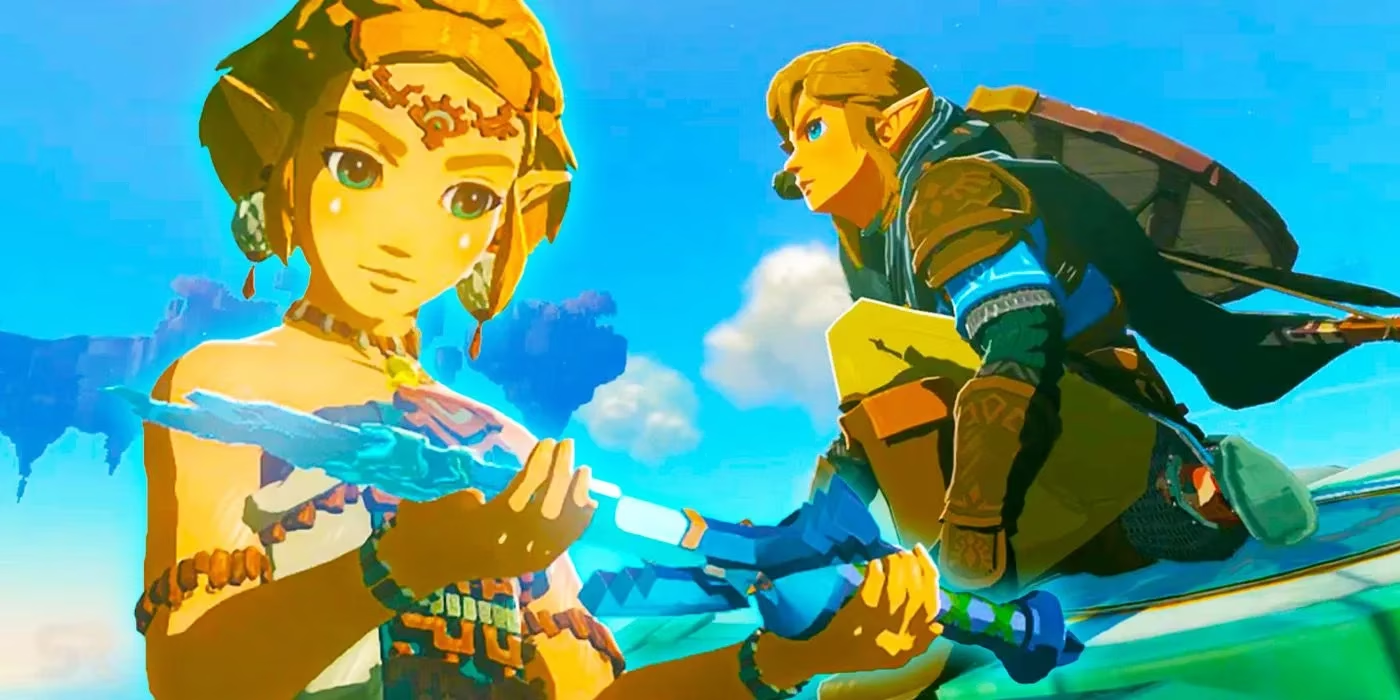
As of 2026, no substantial post-Ganondorf DLC for TOTK has materialized. Nintendo has moved on to new projects, and the chance for an official rebuilding epilogue appears to have passed. That does not make the idea less compelling. A future Zelda title could learn from this gap. It could plan an endgame that changes the world, respects the player's victory, and gives Link and Zelda a quieter purpose after the storm.
For now, players who want to rebuild a shattered fantasy world must look to games like Littlewood or Super Mario Odyssey. TOTK remains a masterpiece of systems and exploration, but its ending still feels like a door left ajar. Hyrule deserved a chance to heal on screen, not just in the player's imagination.
As reported by Game Informer, a game’s ending often shapes how players remember its world long after release, which helps explain why discussion around The Legend of Zelda: Tears of the Kingdom still returns to its static post-Ganondorf state; when a celebrated adventure offers no meaningful reconstruction, no visible civic recovery, and few signs that Hyrule acknowledges Link’s victory, the absence of a playable aftermath can feel more noticeable than ever.