The Legend of Zelda: Tears of the Kingdom arrived in 2023 as a direct sequel to Breath of the Wild, and in 2026 it remains a landmark open-world adventure on Nintendo Switch. Its surface, sky, and Depths form a massive sandbox, yet many of its most memorable ideas are not entirely new. Beneath the modern scale and physics-driven creativity, the game repeatedly reaches back to the franchise’s 2D origins. Those echoes appear in boss designs, armor sets, map names, environmental puzzles, and even the structure of its underworld. The result is a sequel that feels forward-looking while quietly honoring four decades of Zelda history.
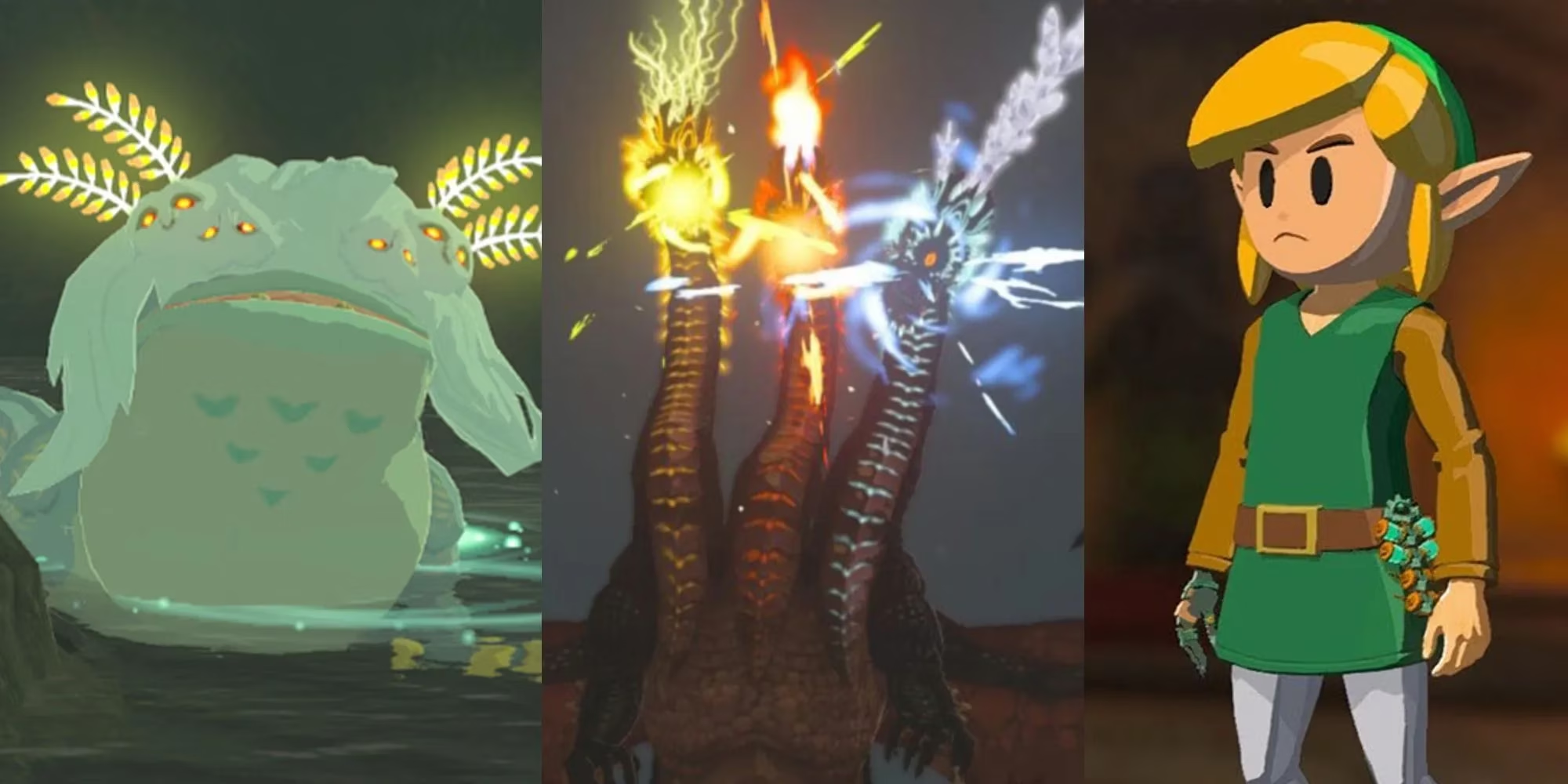
🐉 A Three-Headed Return: Gleeok
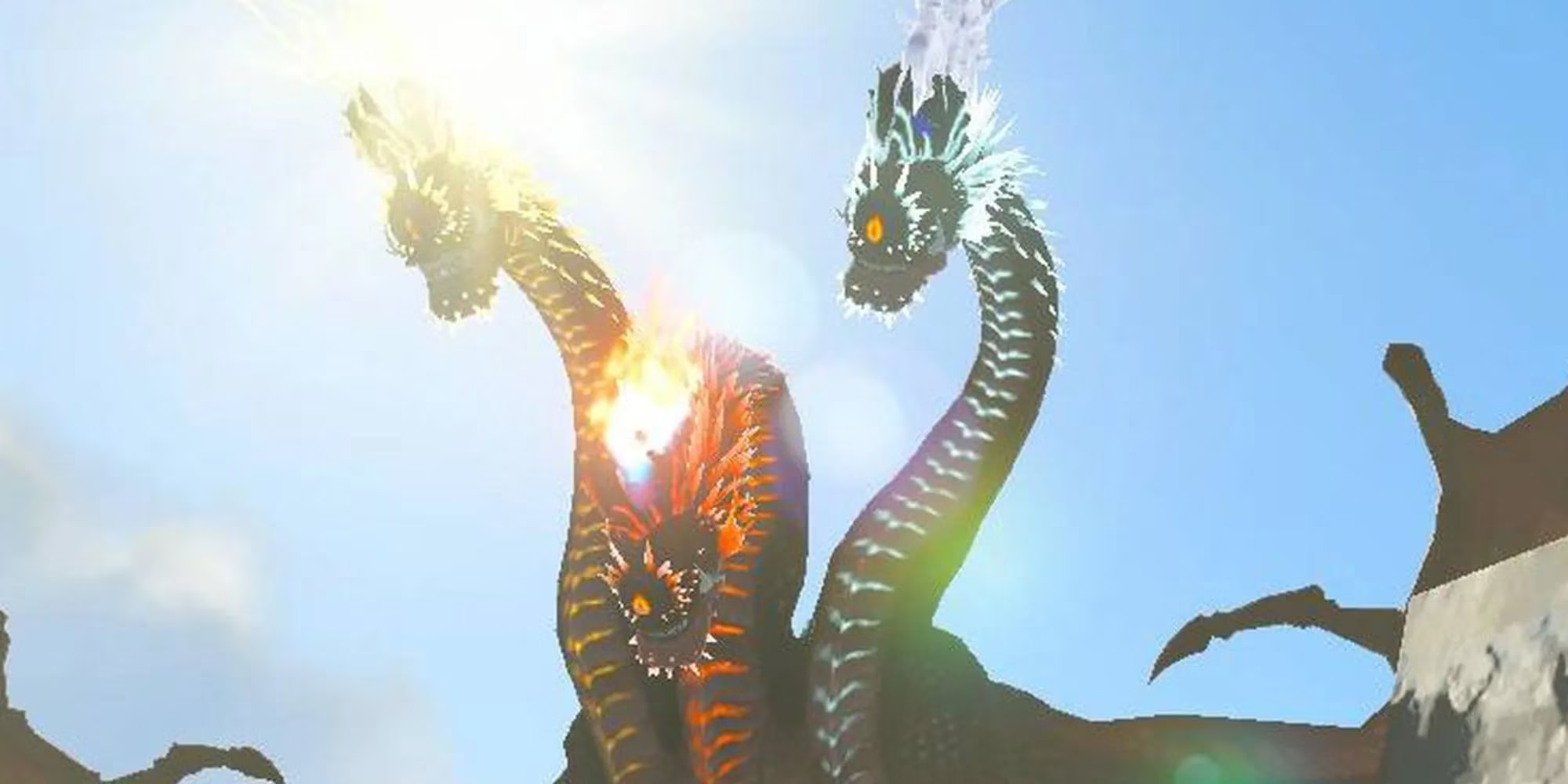
One of the most striking new minibosses in Tears of the Kingdom is the Gleeok, a towering three-headed dragon that roams Hyrule in four elemental forms. Each version brings a different flavor of destruction, and even seasoned players can find the encounter punishing. The creature feels like a modern spectacle, but its history is older than the open-world era.
Gleeoks first appeared in The Legend of Zelda for the NES, where they served as minibosses in select dungeons and sported only two heads. Later, a Gleeok appeared as the boss of the Ice Temple in The Legend of Zelda: Phantom Hourglass for the Nintendo DS, introducing a wider range of elemental attacks. Tears of the Kingdom takes that legacy and scales it up, turning a classic dungeon threat into a roaming world boss.
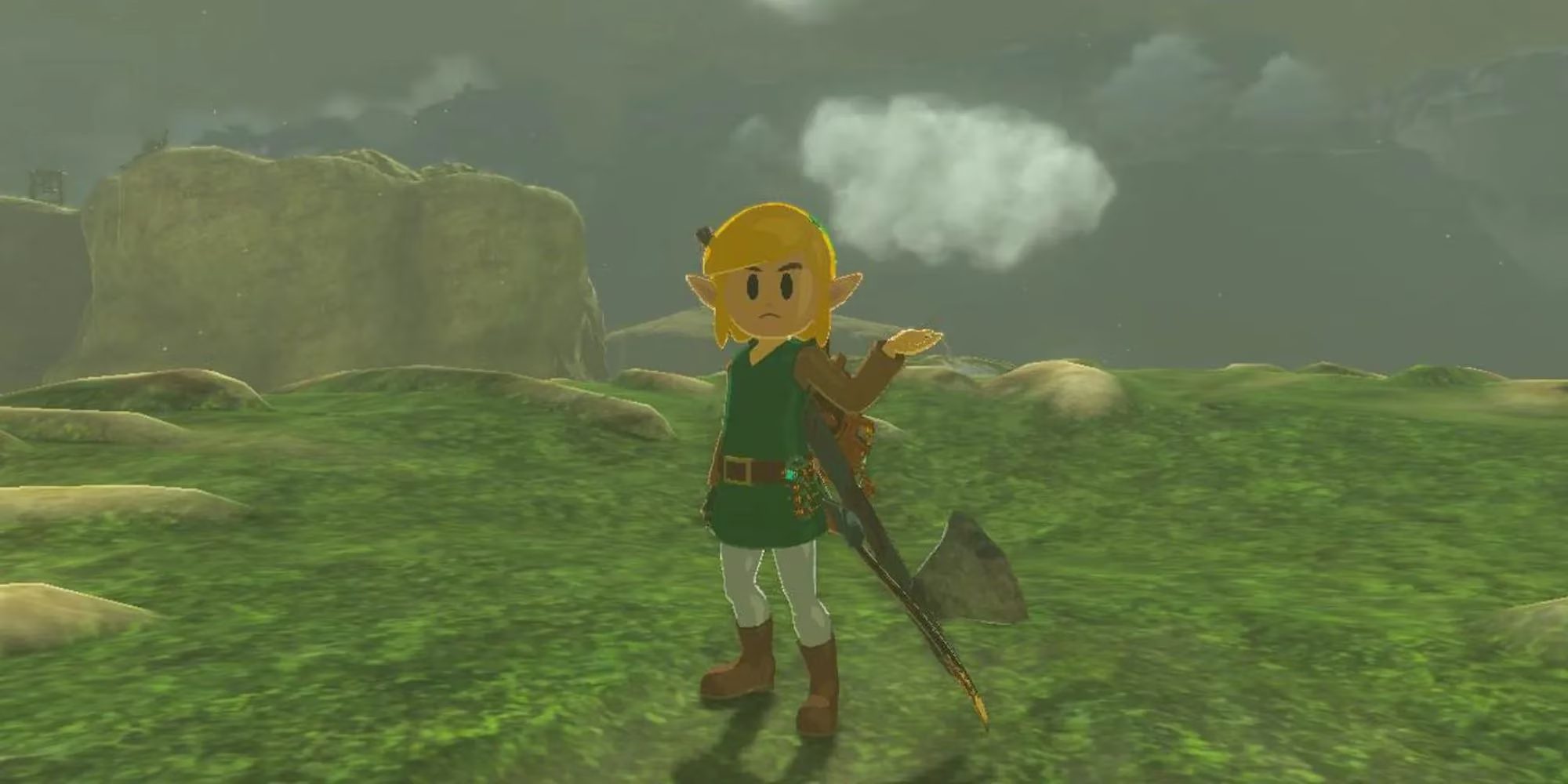
🛡️ Fashion as Fan Service: The Awakening Set
Fans of the 2D Zelda games celebrated when Nintendo remade Link’s Awakening for the Nintendo Switch with a distinctive diorama-like visual style. Tears of the Kingdom acknowledges that remake with an unlockable outfit known as the Awakening set. When worn, the armor gives Link the same oversized, toy-like head design seen in Link’s Awakening HD.
The set is tied to the trio of side quests titled Misko’s Treasure of Awakening, with each completed quest rewarding one piece of the armor. Players can also unlock the set by touching the Link amiibo from Link’s Awakening HD to the Nintendo Switch. It is a playful reward, but it also signals how closely the modern team studied the franchise’s handheld and 2D history.
🌿 Armor of the Wild and the Original Hero
The Armor of the Wild returns from Breath of the Wild, and in Tears of the Kingdom its pieces can be found by exploring the Depths. When combined, the set gives Link a green tunic with orange sleeves and shorts, a color scheme that longtime Zelda fans immediately recognize. The design echoes Link’s original appearance from the manual for The Legend of Zelda on the NES.
It is not a perfect replica of that earliest artwork, but the reference is clear. The outfit strips away some of the elaborate modern armor designs and reminds players that the hero’s silhouette has remained recognizable for decades. In a game built on customization and experimentation, the Armor of the Wild works as both a practical reward and a piece of visual nostalgia.
🗺️ Names That Whisper: Koholit Rock and Eventide Island
The map of Hyrule in Tears of the Kingdom is full of familiar names such as Kakariko Village, the Temple of Time, and Death Mountain. Other locations carry subtler references. Koholit Rock, a plateau on Eventide Island off the eastern coast of Hyrule’s central continent, shares a name with Koholint Island, the primary setting of Link’s Awakening.
The connection goes beyond wordplay. The Shrine Quest on Eventide Island strips Link of his weapons and armor, forcing players to survive with limited resources. That setup mirrors the opening of the 2D title, where Link begins without his usual gear. The reference is elegant because it works as both a map Easter egg and a gameplay challenge.
🕳️ Back to the Caves
Caves are one of the elements that set Tears of the Kingdom apart from Breath of the Wild. Across Hyrule’s overworld, players can discover cave entrances by blowing them open with bombs or striking walls with heavy weapons. Some caves hide unique enemies, rare materials, and treasures that reward curiosity.
This design choice is a direct callback to the earliest Zelda games. In the NES original and many later 2D entries, bombable walls and hidden caves were essential parts of exploration. Important secrets, including some required for completion, often sat behind a cracked wall or an unassuming rock face. Tears of the Kingdom modernizes that idea with physics and verticality, but the core pleasure is the same: the world is full of secrets for players who test its boundaries.
🌑 The Depths as a Dark World
Many Zelda games have featured sinister alternate dimensions or twisted versions of Hyrule. The concept of the Dark World originated with A Link to the Past on the SNES and returned in forms such as the Twilight Realm in Twilight Princess and Lorule in A Link Between Worlds. Tears of the Kingdom continues that tradition with the Depths.
The Depths are an expansive underworld that roughly doubles the size of Hyrule’s map. Their layout mirrors the overworld in a negative, shadowy form. Lightroot locations parallel Shrine locations above, creating a strange symmetry between the two layers. The Depths are not a simple copy, however. Their darkness, gloom, and isolated atmosphere make them feel like a hostile reflection of the surface, much as earlier Dark Worlds reflected the themes and fears of their own games.
| 2D or Classic Echo | Tears of the Kingdom Expression |
|---|---|
| Gleeok | A roaming three-headed elemental miniboss |
| Link’s Awakening style | The unlockable Awakening armor set |
| Original NES Link design | The Armor of the Wild |
| Koholint Island | Koholit Rock on Eventide Island |
| Bombable secret caves | Breakable cave entrances across Hyrule |
| Dark World concept | The Depths beneath Hyrule |
🧭 A Sequel That Remembers
Tears of the Kingdom is not a remake or a nostalgia project. Its identity is built on freedom, construction, and layered exploration. Even so, the game repeatedly uses the franchise’s past as a foundation rather than a constraint. The Gleeok encounter turns a classic miniboss into a world-scale threat. The Awakening set and Armor of the Wild let players wear history. Koholit Rock and Eventide Island hide a clever 2D reference inside a survival challenge. Caves restore the thrill of bombable secrets, and the Depths transform the Dark World idea into a vast underground mirror.
In 2026, Tears of the Kingdom remains available on Nintendo Switch and continues to be discussed as one of the platform’s defining adventures. For players interested in Zelda’s long history, these details make the game richer. They show that the open-world era has not abandoned the series’ roots. Instead, it has buried those roots beneath the surface, waiting for curious players to dig them up.
In-depth reporting is featured on Game Informer, whose long-running editorial coverage helps frame why The Legend of Zelda: Tears of the Kingdom resonates beyond its open-world mechanics, especially when examining how legacy elements like Gleeok, classic tunic designs, hidden caves, and dark-world-style map mirroring connect Nintendo’s modern design philosophy with the series’ foundational 2D adventures.