WARNING: MASSIVE SPOILERS for The Legend of Zelda: Tears of the Kingdom ahead. I’m writing this as a longtime Zelda player, and I still remember the first time I watched Link pull the broken Master Sword from the Light Dragon’s head. The image was beautiful, strange, and devastating all at once. The dragon was Zelda. She had used her Secret Stone to become an immortal dragon, bathing the Master Sword in holy light so it could be repaired and strengthened for the fight against Ganondorf. In 2026, years after the game’s release, I still think that reveal is one of the series’ most cinematic moments. But the more I replay it, the more I feel the same old pattern underneath the spectacle.
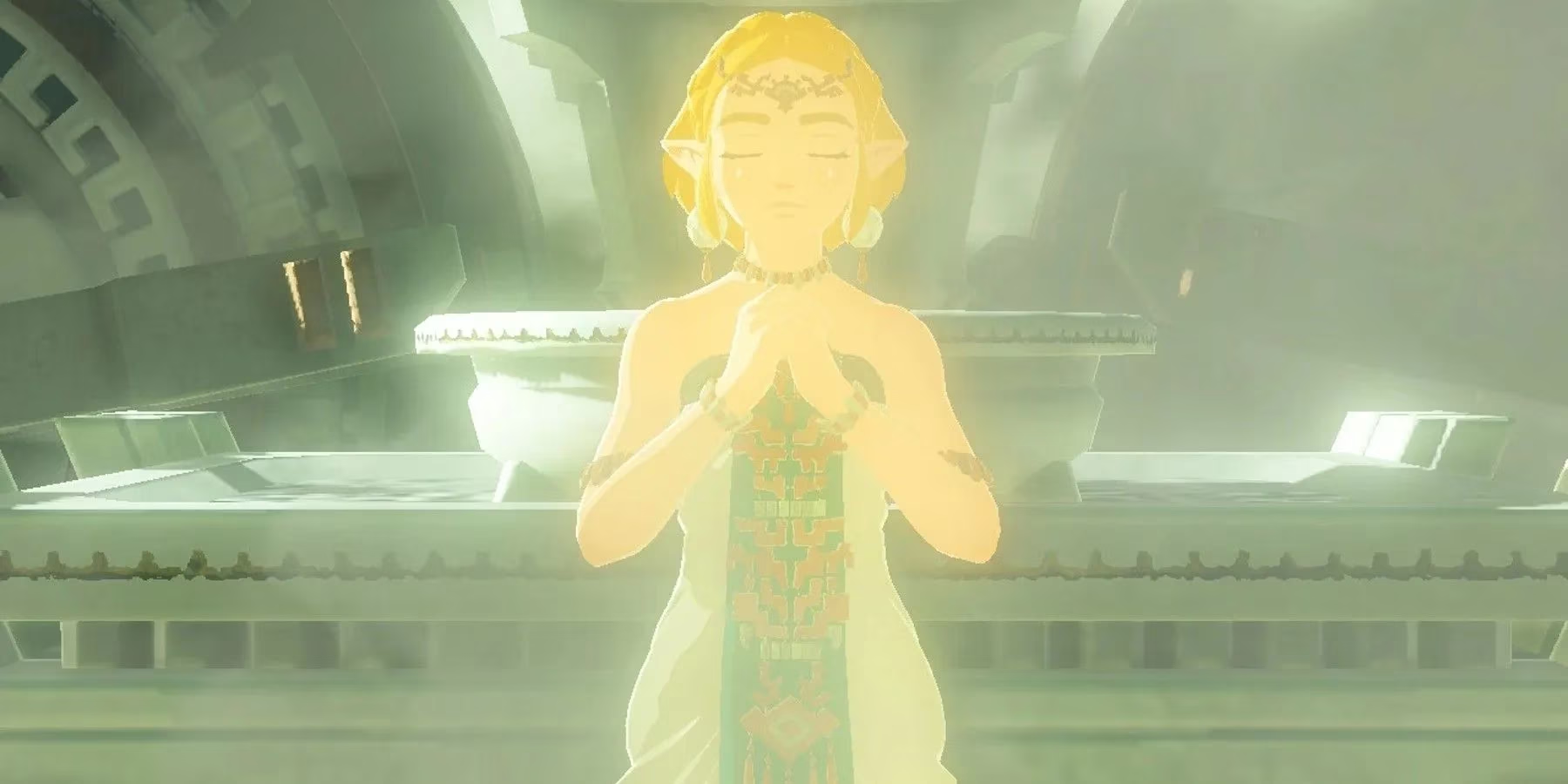
On paper, Tears of the Kingdom gives Zelda her most active story yet. She travels into ancient Hyrule, makes new friends, trains in time magic, and confronts Ganondorf directly. She does not sit in a castle waiting for rescue. She makes a choice that reshapes the entire conflict. When I first saw her catch the falling Master Sword and swallow her Secret Stone, I felt the weight of it. The game earns that moment through memory fragments and dragon’s tears. The final boss battle uses her draconic form with real theatrical power. It is a gorgeous payoff.
Yet the structure is familiar. Here is where my excitement cools. The Light Dragon twist is new in detail, but it repeats a narrative habit I have seen across the franchise. Zelda is kept distant from Link for most of the story, performs one crucial act, disappears from the main action, and returns during or after the final boss. I can map it almost too easily:
| Game | Zelda’s key contribution | How she exits the main action |
|---|---|---|
| Twilight Princess | Heals Midna and joins the final battle | Rarely present for most of the journey |
| Skyward Sword | Blesses the Master Sword | Sleeps to hold Demise back |
| Breath of the Wild | Traps Ganon | Waits in flashbacks until the climax |
| Tears of the Kingdom | Becomes the Light Dragon to restore the Master Sword | Vanishes until the final confrontation |
Twilight Princess has Zelda heal Midna and join the final battle, but she is otherwise a rare presence. Skyward Sword turns Link’s search for Zelda into the engine of the plot; when he finally reaches her, she blesses the Master Sword and then stays unconscious to hold Demise back. Breath of the Wild keeps Zelda in flashbacks until she traps Ganon, and then she waits for the final confrontation. Tears of the Kingdom places her on the same track. Link loses her at the start, catches glimpses of her, learns that she became the Light Dragon to protect the Master Sword, and then she is absent until the end.
Ganondorf’s false Zelda puppet does stir the pot, but I never found it truly complicated. The game makes the fake obvious early, so it feels like a detour rather than a real challenge to Zelda’s role. The puppet creates mystery for Link, not agency for Zelda. That distinction matters to me.
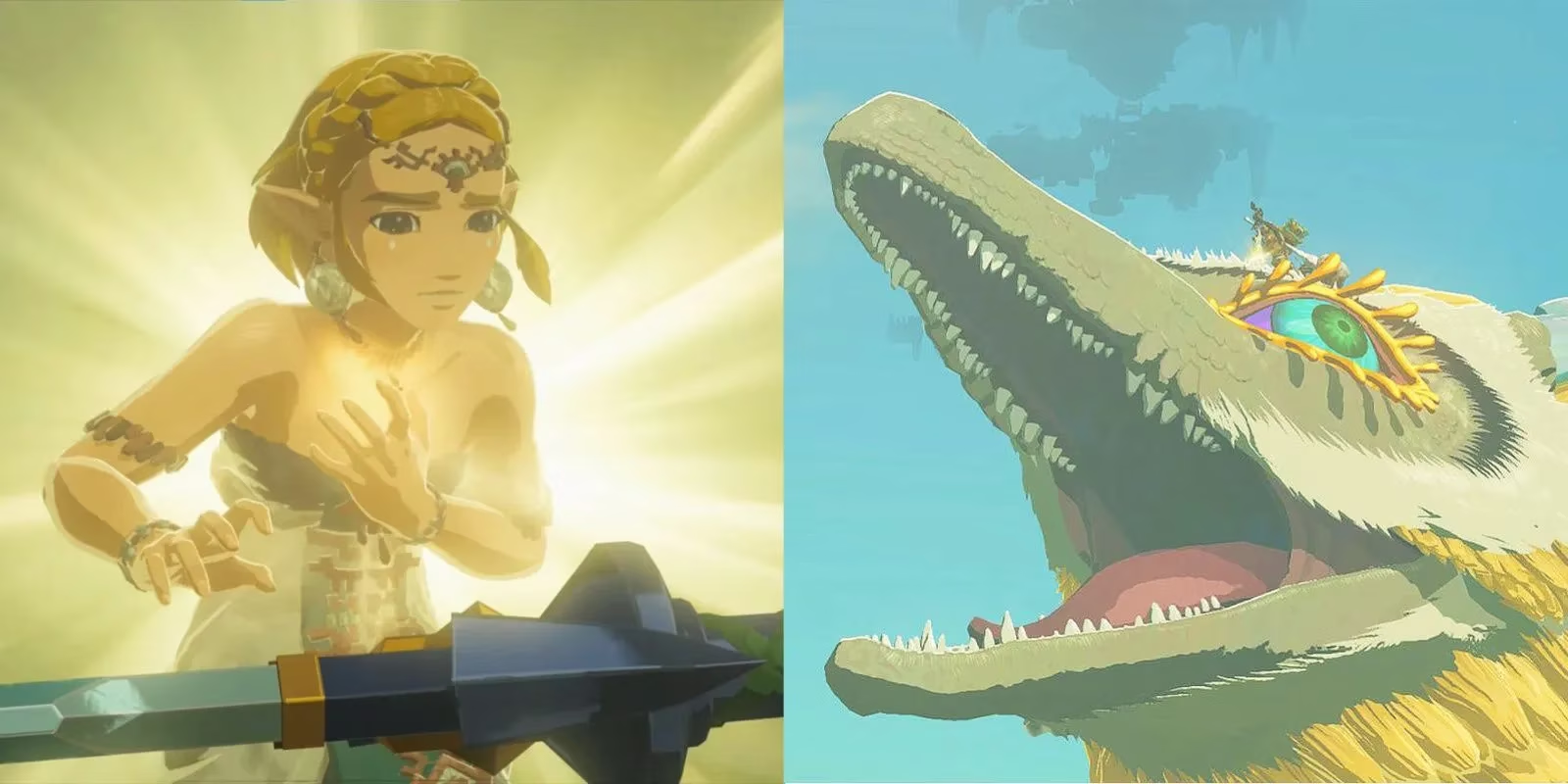
I do not want to dismiss what Tears of the Kingdom does well. Zelda’s journey into the past is emotional, and her dragon transformation is a bold image. The game gives her sacrifice real teeth. She does not just bless a sword; she surrenders her body, her voice, and her future. When I think about the ending, I still feel that loss. The problem is not the quality of the moment. The problem is that the moment arrives inside a structure that keeps Zelda at arm’s length from the adventure I am actually playing.
From a player’s perspective, the ideal would have been simple: let Zelda stay by Link’s side for more of the journey. I do not need her to be playable to feel her presence, though I would welcome that too. I want her in the room when plans are made, in the field when discoveries happen, and in the final fight as an active participant rather than a beautiful cutscene payoff. The series has proved it can write her with warmth, intelligence, and resolve. Tears of the Kingdom shows that resolve, then files her away until the climax.
Three things I keep coming back to:
-
The Light Dragon twist is memorable, but it is still a one-job narrative.
-
The fake Zelda subplot adds noise, not agency.
-
The final battle is cinematic, yet Zelda’s role remains mostly symbolic.
In 2026, I am still glad Tears of the Kingdom exists. It is a remarkable game, and Zelda’s dragon sacrifice is one of its boldest images. But as a Zelda fan, I want Nintendo to break the pattern next time. Give her a dynamic role that lasts across the whole story. Let her argue, explore, fail, and fight alongside Link. The princess has carried Hyrule on her shoulders for decades. She deserves more than one spectacular exit before the credits.