The Legend of Zelda: Tears of the Kingdom is a rare direct sequel that builds on its predecessor instead of resetting the clock. It takes the open-world framework of Breath of the Wild and pushes the mechanics outward, letting players approach combat, navigation, and puzzle solving from almost any angle. By 2026, the game’s legacy is clear: its systems are flexible, its world is dense, and its combat is far more dangerous than the one that greeted players in 2017. That combination makes the idea of a Tears of the Kingdom expansion especially tempting, not because the base game lacks content, but because its enemy design has so much unfinished business.
A Combat System Built for Reinvention
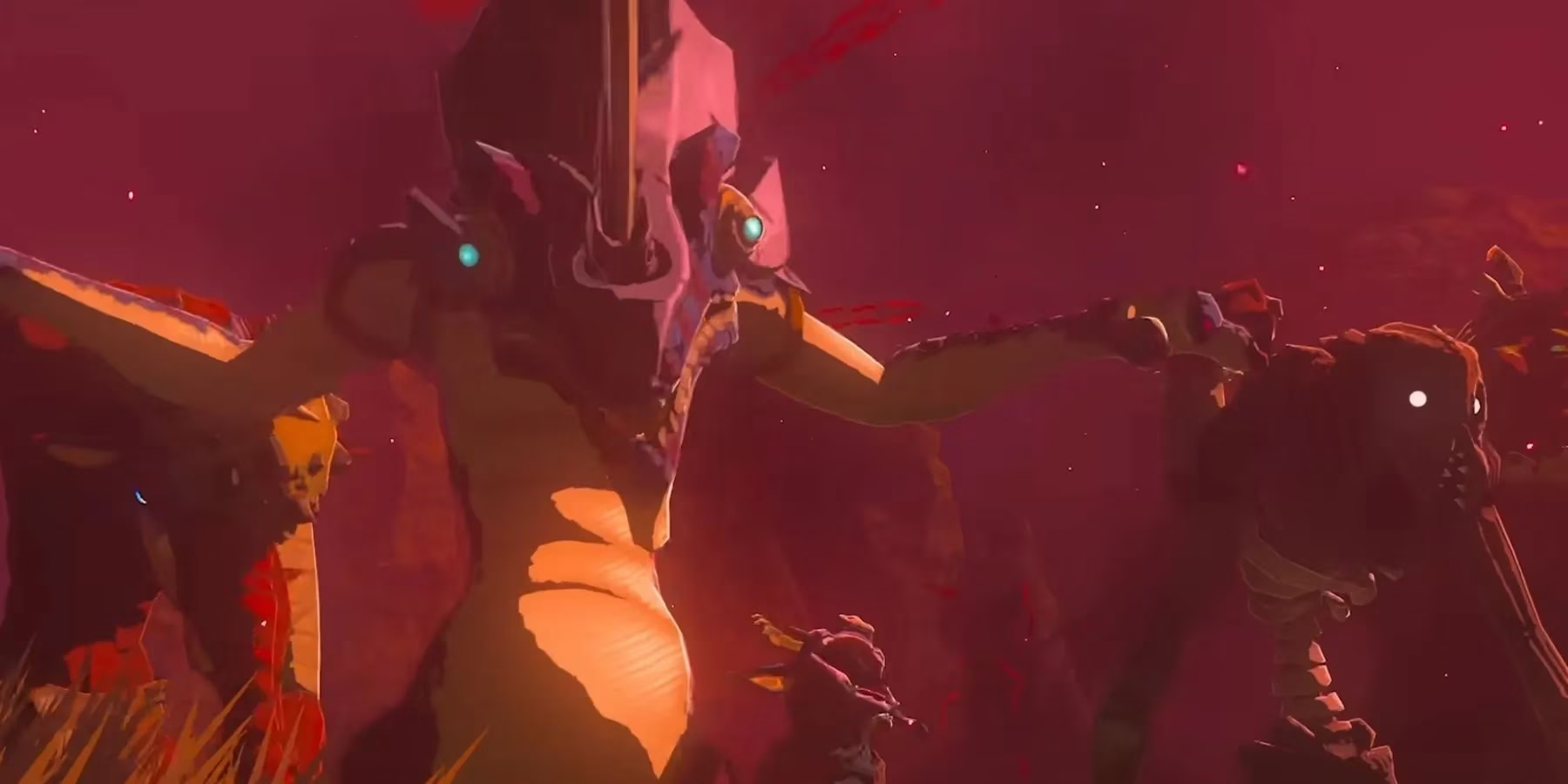
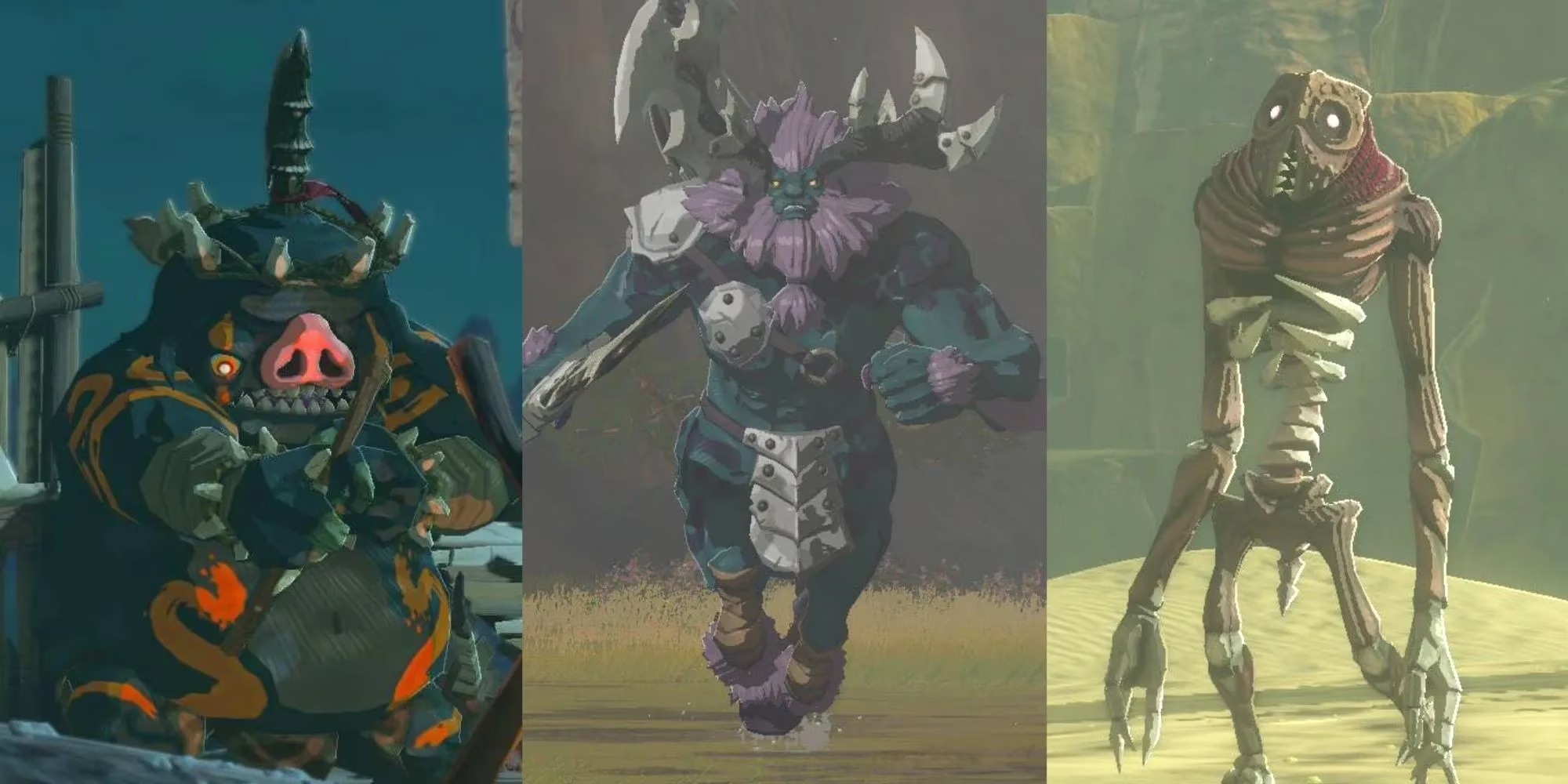
Tears of the Kingdom did not simply inherit Breath of the Wild’s monsters. It rebuilt them for a sequel that demands more from every encounter. Lynels returned with new life and infamy, while series staples such as Keese, Chus, Octoroks, Hinoxes, Stal enemies, Bokoblins, and Moblins were all modernized for the new Hyrule. The sequel also brought back Gohmas, Gibdos, Like-Likes, a Floormaster-style threat in Gloom Hands, and Phantom Ganon himself. These were not museum pieces. They were active participants in a combat sandbox that rewards creativity and punishes complacency.
The key was design. Many classic Zelda enemies would be too simple if imported without changes, especially in a world where players can fuse weapons, exploit elements, and attack from the air. Tears of the Kingdom avoided that problem by giving enemies dynamic abilities and by letting them benefit from weapons, geography, elemental effects, and other monsters. A Bokoblin camp is not just a group of targets; it is a small ecosystem of danger. That approach is exactly why a future expansion could do more with the series’ back catalog.
Why Old Enemies Fit the New Hyrule
As of 2026, Tears of the Kingdom has not received a paid expansion on the scale of Breath of the Wild’s. That absence leaves room for speculation rather than confirmation. Still, the argument is easy to follow. Breath of the Wild’s DLC added little in the way of new enemies beyond Monk Maz Koshia, which makes Tears of the Kingdom a natural place to correct that imbalance. The sequel already proved that old Zelda foes can feel new when they are adapted with care. A DLC campaign could push that strength further without needing to reinvent the entire combat system.
| Enemy or boss | Modernization hook | Why it fits Tears of the Kingdom |
|---|---|---|
| Darknuts and Iron Knuckles | Armored duels with breakable defenses and heavy counterattacks | Their regal presence would give new content a distinct identity ⚔️ |
| Dodongos | Fire-breathing ambushes tied to caves and rocky terrain | Their continued exclusion is baffling, and the open world is ready for them |
| Poes | Elusive foes that use darkness, misdirection, and Gloom | They would deepen nighttime exploration and add tension |
| Stalfos and ReDeads | Human-like undead with disruptive patterns | They would make ruins and dungeons feel genuinely hostile |
| Manhandla, Digdogger, Aquamentus | Classic dungeon bosses with new elemental phases | They could cap off shrine-like trials or hidden lairs |
| Dinolfos, Skulltulas, Armos, Beamos, Wallmasters, Deku Baba | Familiar threats with modern mobility and terrain awareness | They would enrich the open world and its combat encounters |
The Missing Roster
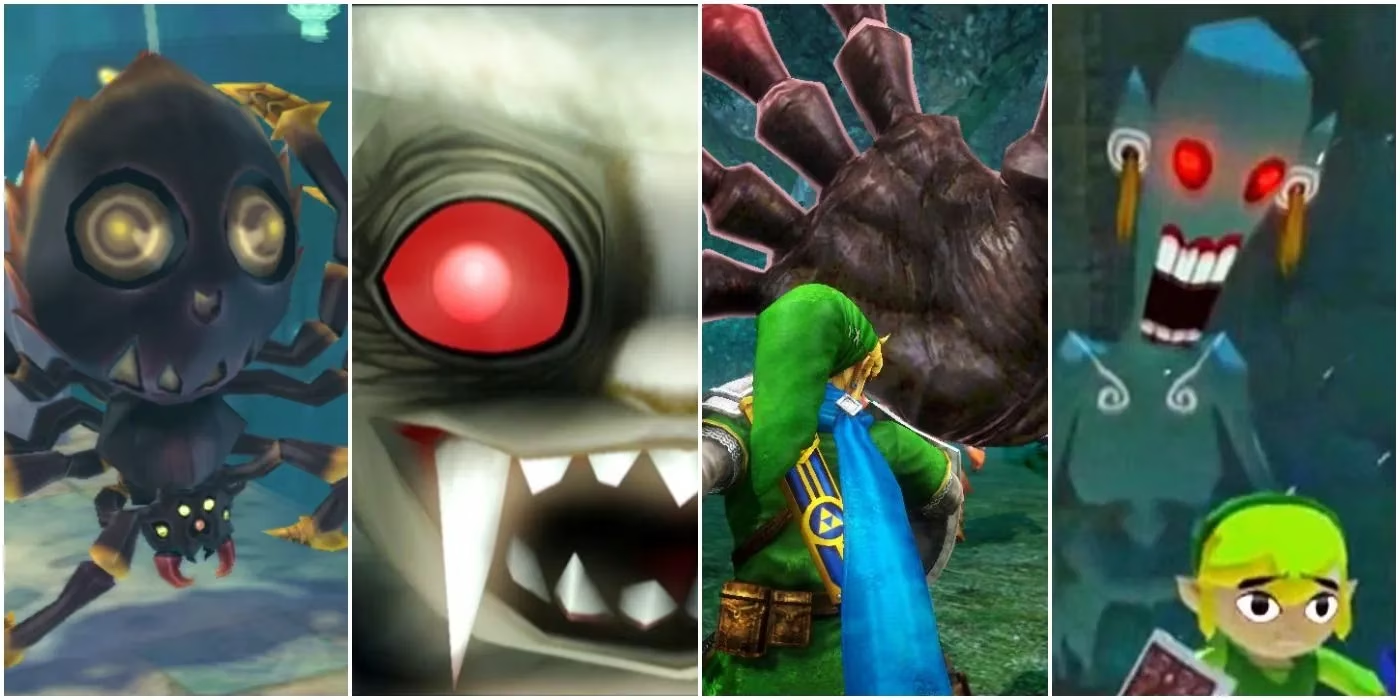
The most obvious candidates are the ones that have waited longest. Darknuts and their Iron Knuckle counterparts would immediately give new Tears of the Kingdom content a unique feel because they seem regal rather than monstrous. Dodongos remain a strange omission from the modern era, and true Poe enemies could turn nighttime travel into a more unsettling experience. The classic human-like undead Stalfos and ReDeads would also fit a game that already leans into Gloom, decay, and the aftermath of catastrophe.
Bosses offer even more room. A whole other Zelda game could be supported by enemies and bosses that have not yet been modernized. Dungeons ending with new variations on Manhandla, Digdogger, Aquamentus, and the classic floating hands and head design would all work wonders. They could even add surprises to the open world itself, turning familiar landmarks into ambush sites or hidden arenas. Other regulars such as Dinolfos, Skulltulas, Armos, Beamos, Wallmasters, and Deku Baba would be cause for celebration, especially if each one received a Tears of the Kingdom twist.
A DLC Blueprint, Not a Demand
A Tears of the Kingdom expansion would require development resources, and the base game is already massive. That is a real constraint. Yet the sequel’s combat design is strong enough that even a fraction of these foes could make a memorable finale. The game does not need a full bestiary overhaul. It needs a handful of old faces, adapted with the same care that turned Lynels into feared wanderers and Phantom Ganon into a genuine event.
In 2026, Tears of the Kingdom remains a showcase for how far Nintendo can push an open-world Zelda game. Its enemies are a major reason why. If the game ever receives another major content push, the smartest move would be to honor that strength and bring more of Zelda’s forgotten foes into the modern age. The Legend of Zelda: Tears of the Kingdom is available now on Nintendo Switch.