While The Legend of Zelda: Tears of the Kingdom (TotK) rightfully blew minds in 2025 with its sheer scale – sky islands, depths, and a Hyrule begging for unscripted adventure – there's a low-key magic in how 2006's Twilight Princess (TP) handled exploration that hits different. It wasn't about freedom from the start; it was about freedom earned. TotK throws the doors wide open immediately, letting curiosity run wild. TP? It made you work for it, turning Hyrule's unfolding into a core part of the journey itself, a reward system woven into the narrative fabric. No cap, that approach created a distinct sense of purpose modern open-world titans often sacrifice. 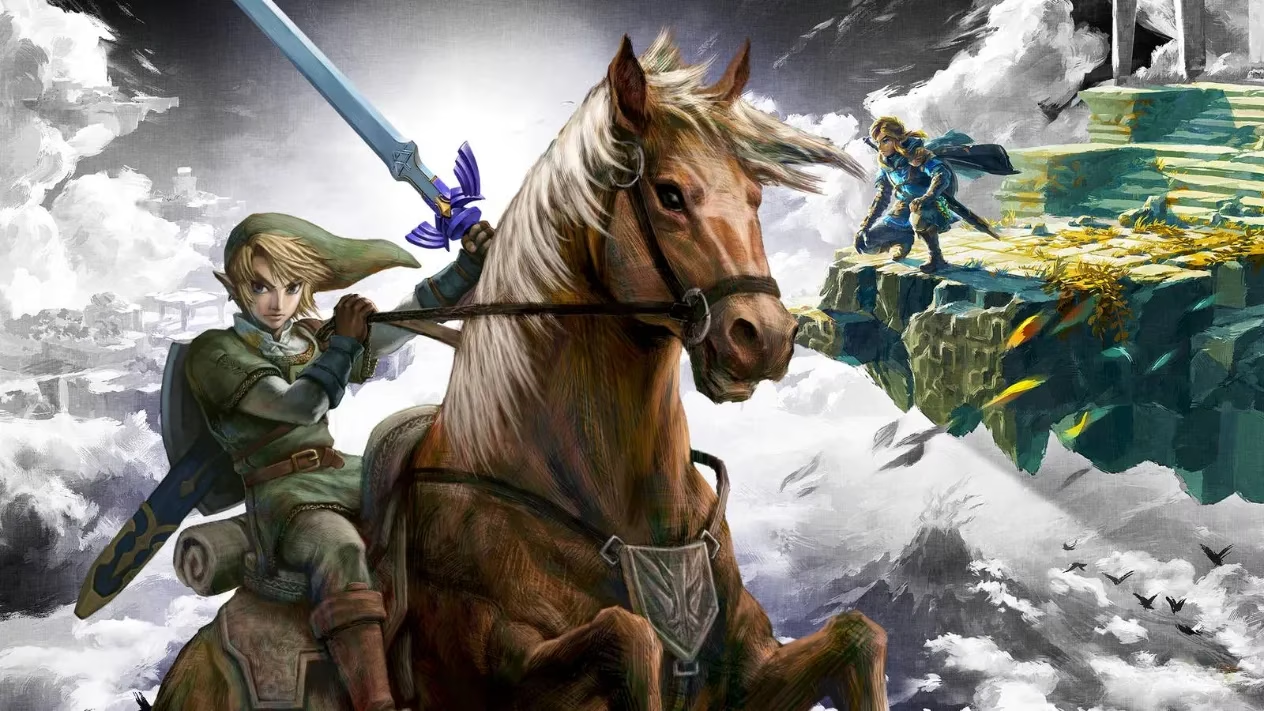
The Art of the Drip-Feed: TP's Gated Progression
Forget immediate access. TP operated on a masterful drip-feed methodology:
-
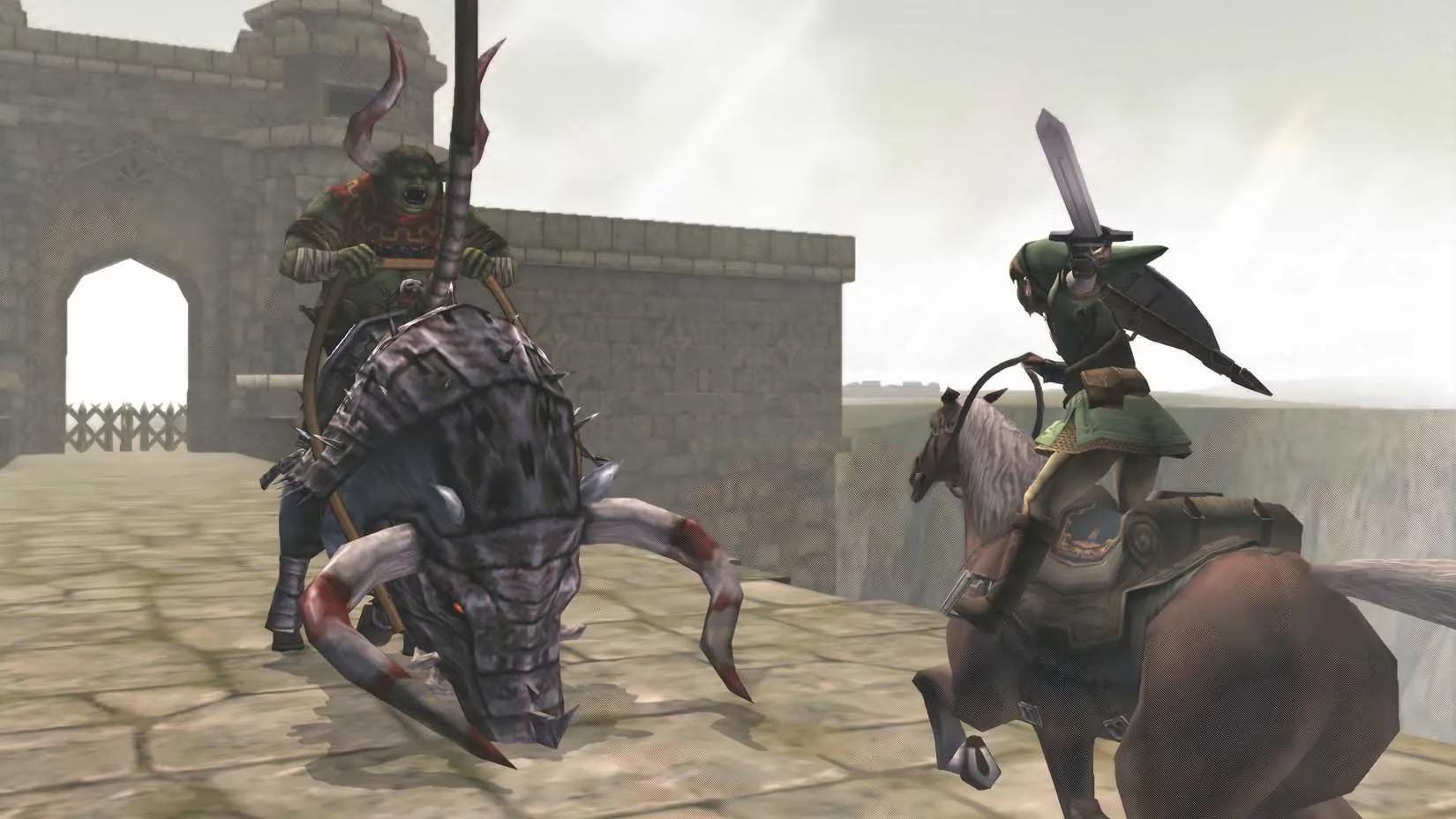
Ordon Village & Hyrule Field Blues: Early game? You're locked down. No fancy tools, no access passes. Large swathes of the overworld were literally shadow-locked, corrupted by Twilight, or physically blocked.
-
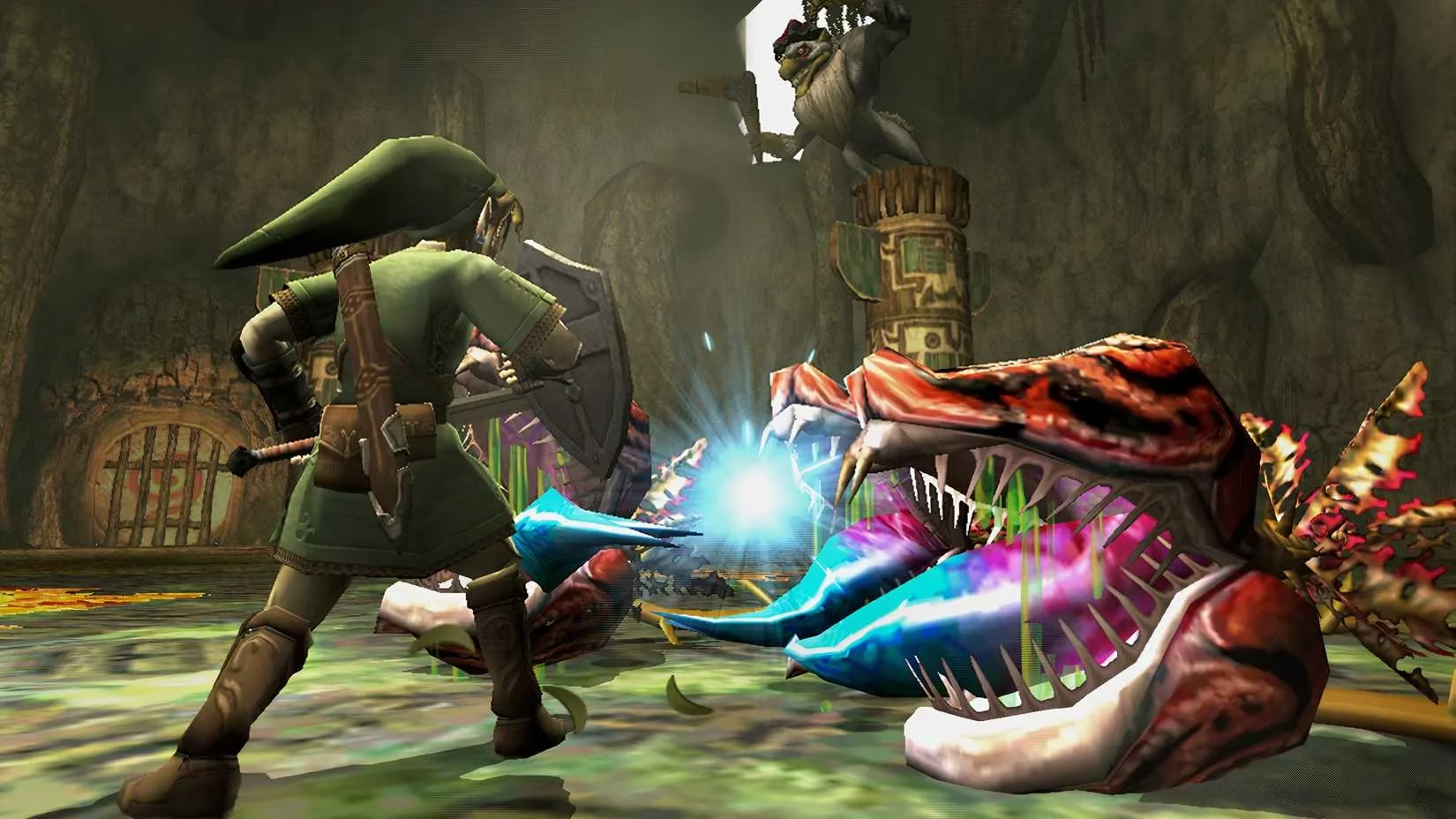
Dungeons = Progression Keys: Clearing dungeons wasn't just about the story beat or the heart container. It was about game-changing gear unlocking the map. The Gale Boomerang from the Forest Temple? Suddenly those high ledges and distant switches weren't just scenery. The Temple of Time? Boom, new traversal options.
-
Wolf Link: The OG Explorer Mode: Switching to Wolf Link wasn't just a combat gimmick. It opened a whole other layer of exploration – sniffing out ghost trails, digging secrets, finding shortcuts human Link couldn't touch yet. It added dimension, literally and figuratively.
Why TP's 'Gates' Didn't Feel Like BS
Artificial barriers suck. But TP's gating? It felt different, almost elegant, because it was:
-
Contextual AF: The game told you why you couldn't go there. Twilight corruption? Need a specific item? Story reason? It wasn't an invisible wall; it was a narrative puzzle piece.
"The land is poisoned by Twilight, Link! You need the Sol!"– makes sense! -
Framed as Solvable Problems: Encountering a gate triggered a
"I'll fix this later"mindset, not a"WTF, devs?!"rage quit. It felt Metroidvania-esque within the Zelda framework. Barriers were challenges to overcome through progression. -
Permanent Removal, No Cheesing: Once you cleared the hurdle – defeated the dungeon, purified the area – that gate was GONE. Forever. The world permanently expanded, reflecting your journey's impact. Hyrule grew with you.
-
Serving the Narrative, Not Just Gameplay: Crucially, the gating wasn't arbitrary level-scaling. It existed because of the story. Your progress through the narrative directly dictated your access to the world. Exploration momentum was tied to plot momentum.
TotK: Freedom's Bounty & The Shift in Exploration DNA
TotK's approach is the polar opposite, and it's glorious in its own way:
-
The World is Your Oyster (Almost) Immediately: Hyrule, the skies, the depths – it's all there. Curiosity is your only real gatekeeper.
-
Rewards Buried Within: Instead of rewarding you with the world (like TP), TotK buries its best rewards (story beats, secrets, system mastery) inside the vast space you already have access to.
-
Exploration Driven by Detour: It's less
"I need to get here to progress"and more"Ooh, what's THAT shiny thing over there?"Progress isn't about unlocking the map; it's about understanding its countless, intricate pieces through experimentation. -
Earning Familiarity, Not Access: You earn deep system knowledge (Ultrahand combos, Recall strats), personal stories of crazy detours, and an intimate familiarity with Hyrule, not the permission to enter its regions.

Apples & Oranges: Different Vibes, Different Values
Comparing them directly is kinda comparing apples to oranges:
| Feature | Twilight Princess (2006) | Tears of the Kingdom (2023) |
|---|---|---|
| Exploration Driver | Progression / Narrative Momentum | Pure Curiosity / Experimentation |
| World Access | Earned through story/dungeons (Gated) | Near-total from the start (Open) |
| Reward Focus | Unlocking new regions (The World) | Discovering secrets within it (Stuff) |
| Progression Feel | Steady growth, doors opening | Getting lost, personal discovery |
| Core Memory | "When I finally reached..." | "That time I accidentally..." |
TP makes exploration feel like a hard-earned trophy. Every new vista is a "Heck yeah, I *got* here!" moment directly tied to your effort in the story. TotK makes exploration feel like an endless sandbox of wonder. It's "OMG, I *found* this!" driven by your own whimsy. 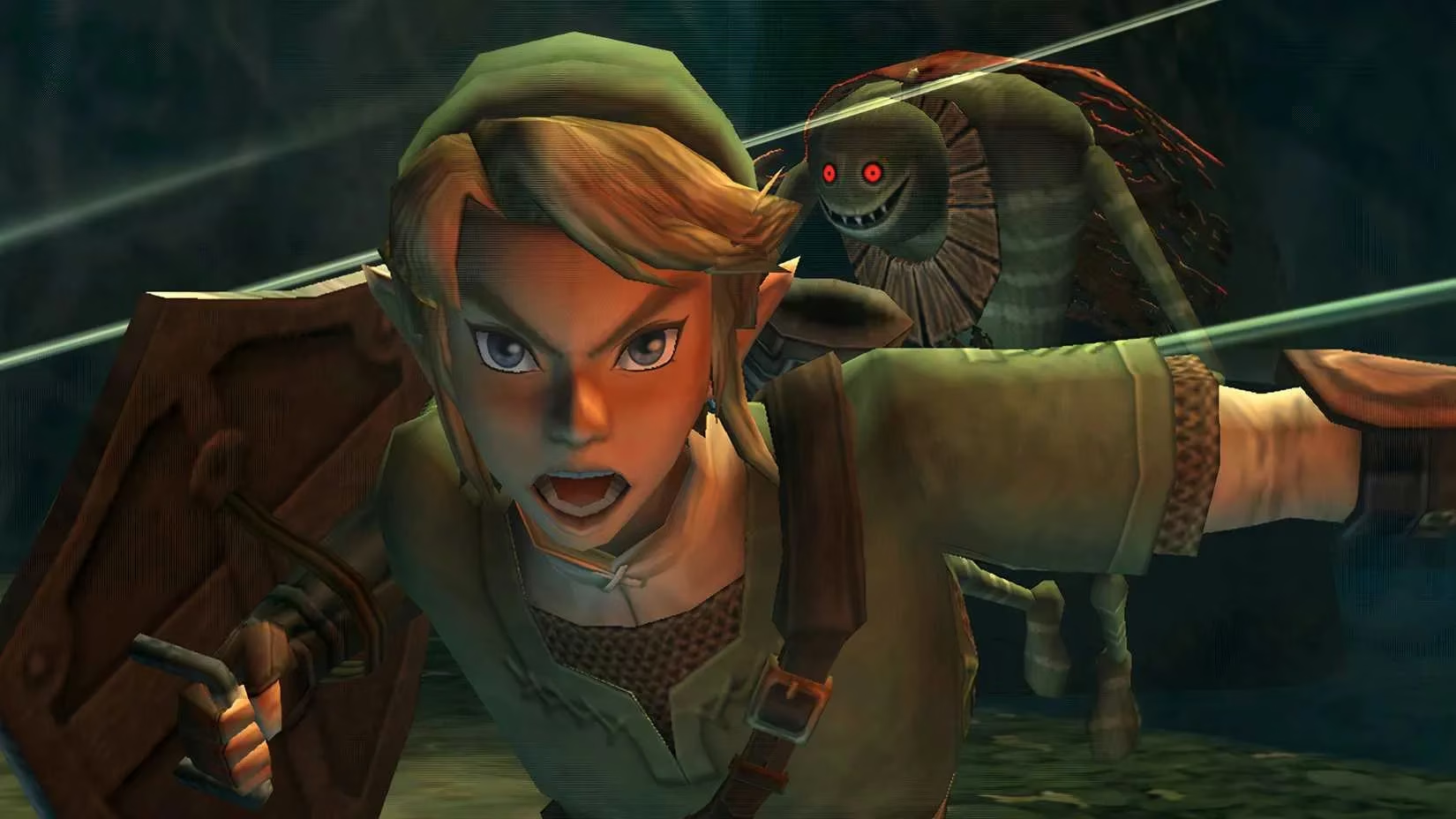
The Takeaway in 2025: Purposeful Progress Endures
Nearly two decades later, Twilight Princess stands tall not because it restricted players, but because it gave progress weight and purpose. Hyrule wasn't just a static backdrop; it responded to Link's journey. Unlocking a new area felt like a direct consequence of your heroism. TotK offers unparalleled freedom and emergent gameplay that's pure gaming bliss, but TP's carefully paced, narrative-integrated world-building delivers a unique satisfaction: the profound feeling of earning the horizon. For players craving that structured sense of arrival and tangible growth layered into exploration, TP's old-school drip-feed method? It still hits that sweet spot in 2025. 🙌✨
For more perspectives on exploration, progression, and the latest in action RPGs, check out zzzverse, a dedicated blog for Zero Zone Zero fans and gaming enthusiasts.