I wander through pixels and polygons, where the journey from A to B is not a mere footnote but the very heartbeat of immersion. In video games, the art of traversal whispers secrets of design; if the movement falters, players drift away before the grand crescendos unfold, yet when it sings, the simple act of gliding or dashing becomes a ballet of exhilaration. As a soul adrift in virtual realms since childhood, I've felt the thrill of weightless flight and the ache of clumsy strides, a reminder that mastery in motion transforms worlds into living poems. Here, I recount ten gems that turned traversal into an ethereal dance, each a testament to the magic woven by developers who understand that the path is the destination. 🎮✨
Forspoken: The Wind's Whisper

I soared through Forspoken's barren lands, where parkour became a gust of wind weaving through a forest of steel—unexpectedly fluid. Despite its flaws, the movement felt like a symphony of freedom, powers blooming like wildflowers in spring, turning each leap into a brushstroke on an empty canvas. It reminded me that even in desolation, grace can flourish, a rare gem in a sea of mediocrity.
Omno: The Dreamer's Drift

In Omno, I floated as ethereal as a dream on a cloud of tranquility, the hoverboard and staff guiding me like whispers from an unseen muse. This indie gem, a spiritual kin to Journey, made every teleport and glide a meditative escape, proving that simplicity can birth profound joy in vast, open spaces. It was a journey not of conquest, but of calm.
LocoRoco: The Coin Drop Ballet

With LocoRoco, I tilted worlds like a cosmic conductor, guiding blobs as if they were marbles in an intricate coin drop machine—each shift a dance of physics defied. This PSP classic remains a burst of color and whimsy, a testament to how primitive tech can spark imagination, turning traversal into pure, unadulterated delight.
Death Stranding: The Burden's Grace
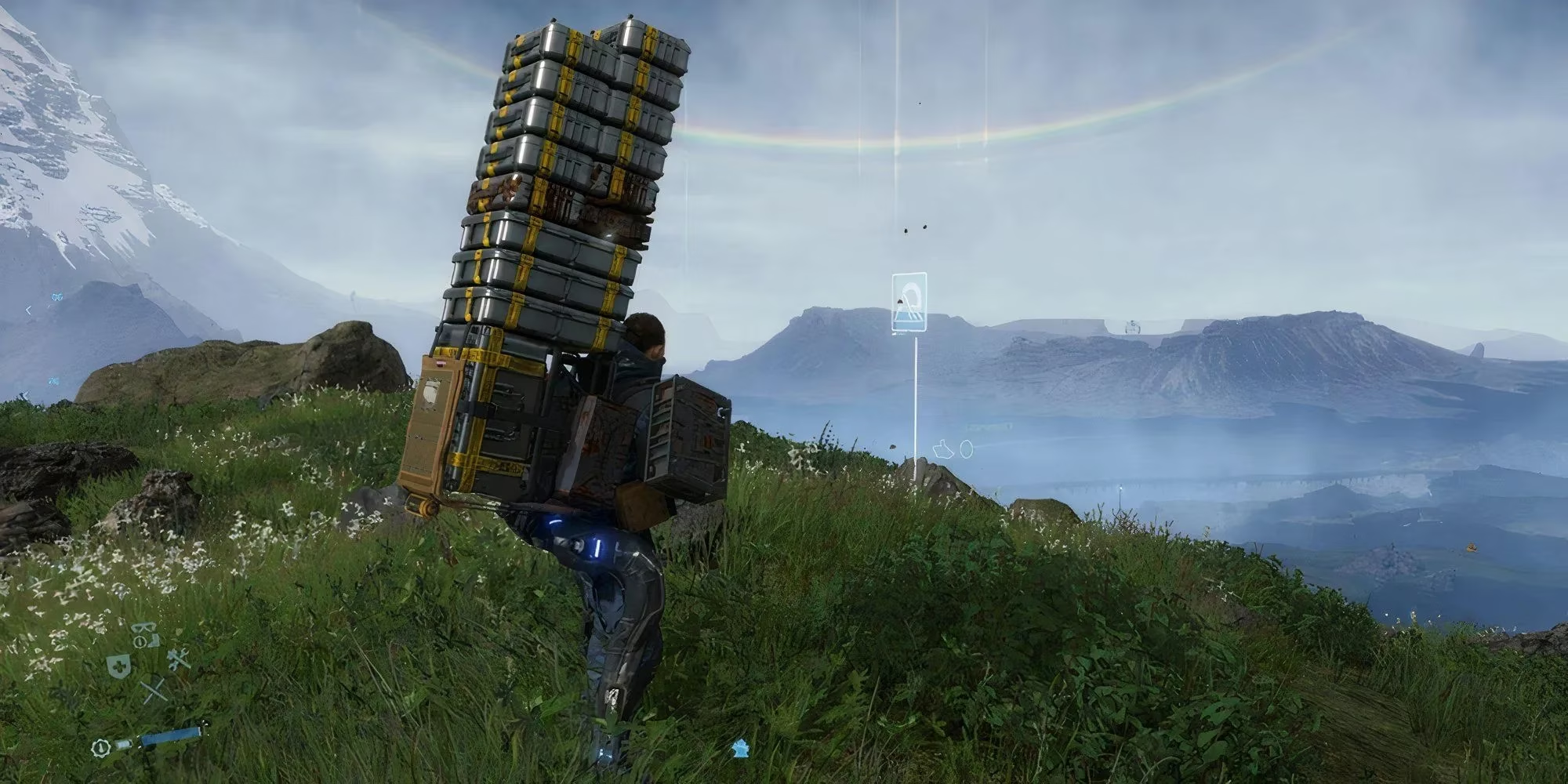
I trudged through Death Stranding's rugged terrain, where each step was a tightrope walk over a chasm of consequences—unusual yet brilliant. Kojima's vision made traversal a cathartic struggle, a Marmite experience that rewarded patience with dopamine rushes, like finding solace in a storm. Not fun, but deeply fulfilling.
Gravity Rush 2: The Sky's Embrace
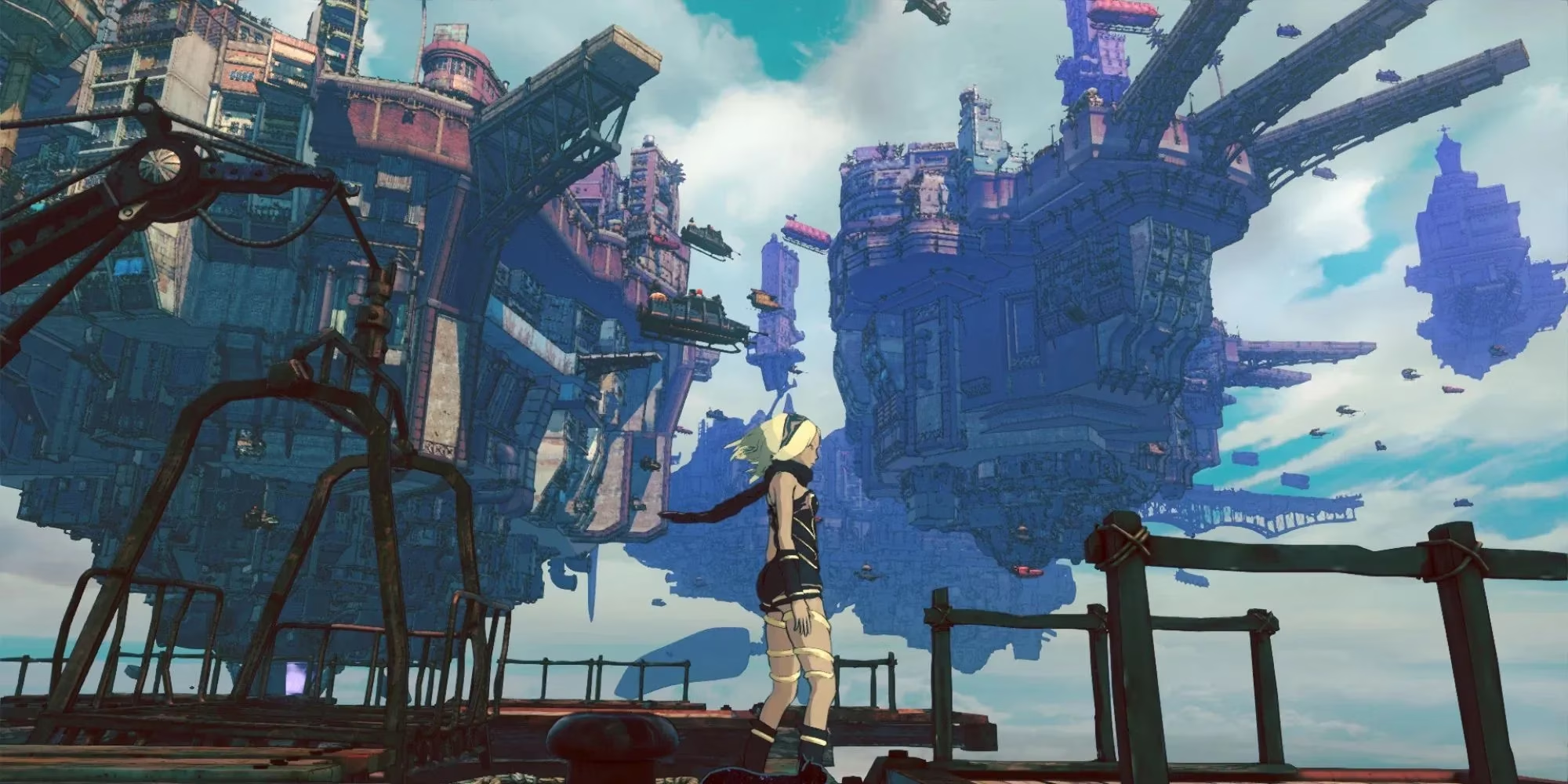
Gravity Rush 2 let me fall upward, defying Newton with the grace of a leaf caught in a hurricane, soaring and careening through skies. The sequel refined this into blissful weightlessness, making platforming an art form that painted the air with possibilities.
Just Cause 4: The Physics Rebel
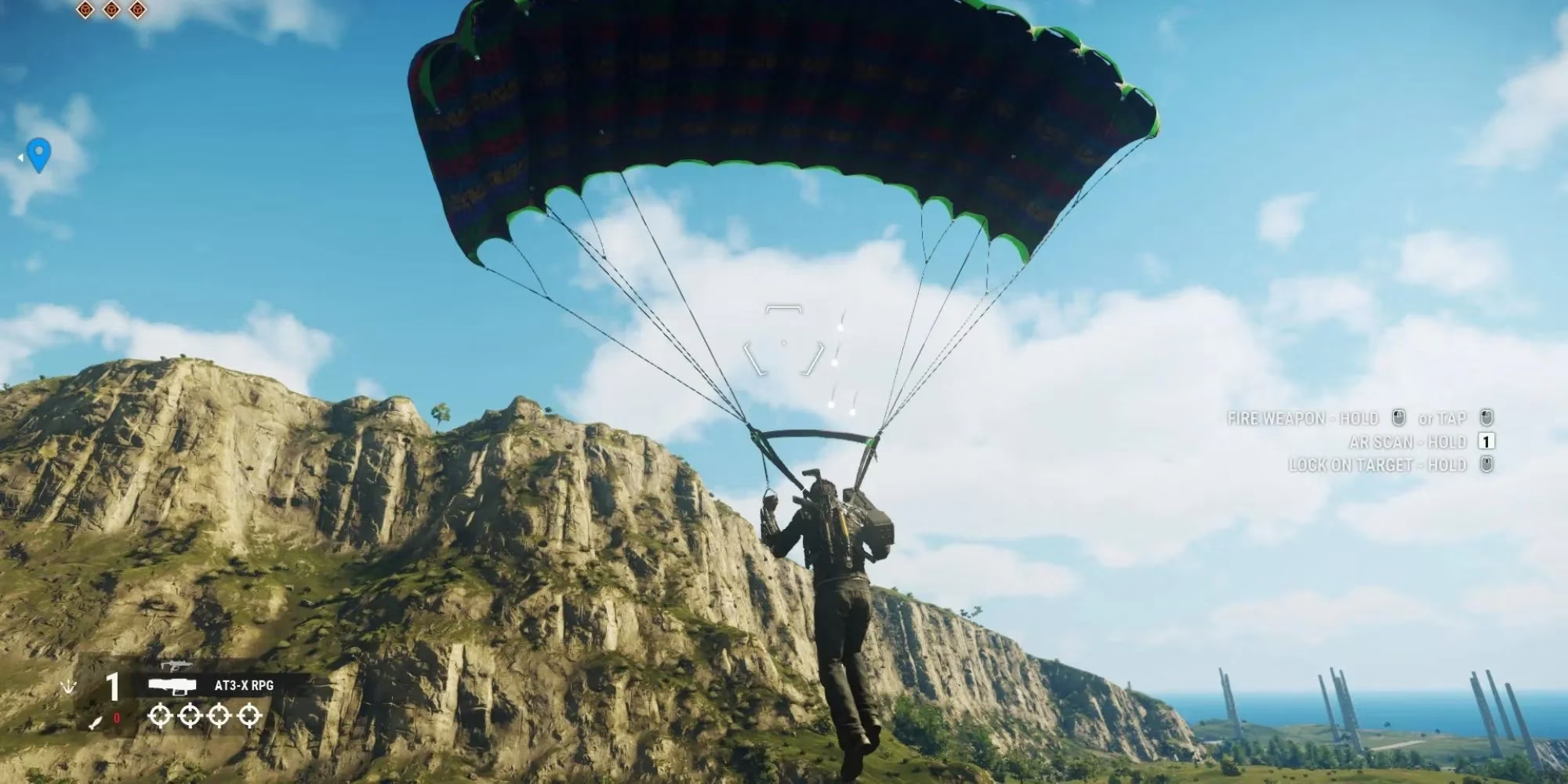
I zipped across Just Cause 4's map like a comet trailing chaos, parachute and grappling hook bending reality into a playground of destruction. It's shallow yet exhilarating, a sandbox where movement was as wild as a tempest in a teacup—pure, physics-defying joy.
Yoku's Island Express: The Pinball Poetry
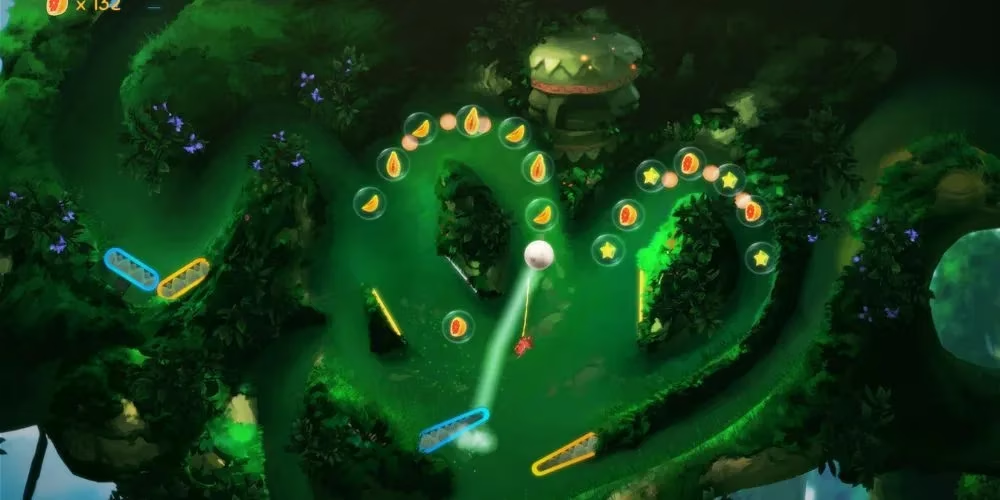
In Yoku's Island Express, I became the ball in a cosmic pinball machine, bouncing through puzzles with the whimsy of a child's laughter. This Metroidvania redefined movement, making traversal a rhythmic dance that blended arcade nostalgia with serene exploration.
Tchia: The Soul's Leap
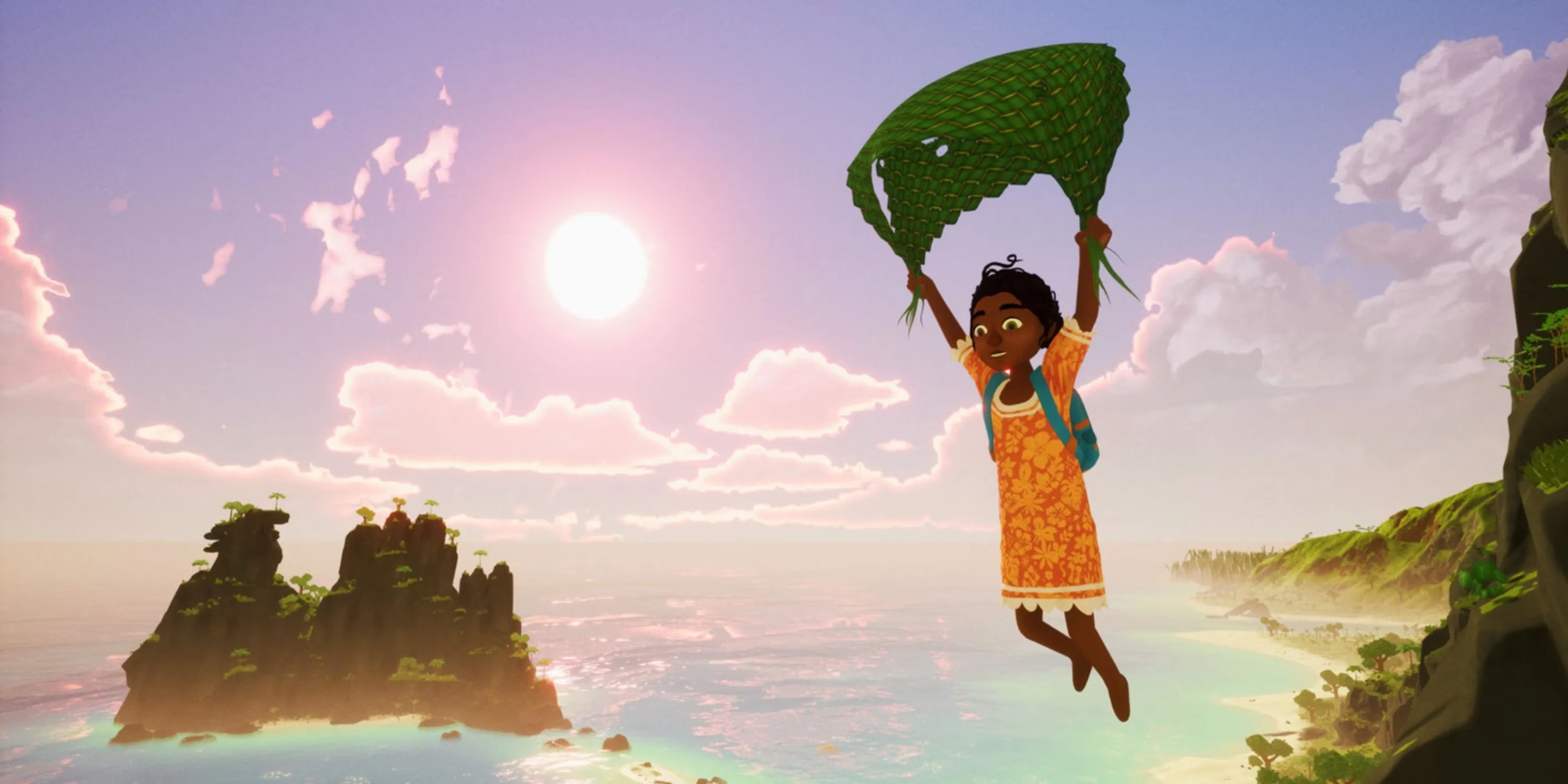
Tchia gifted me wings to soar like an albatross riding ocean currents, Soul Jumping between creatures in a seamless ballet of nature. Despite its flaws, traversing New Caledonia felt like breathing the air of paradise, a reminder that movement can be meditative magic.
The Legend of Zelda: Tears of the Kingdom: The Skydiver's Song
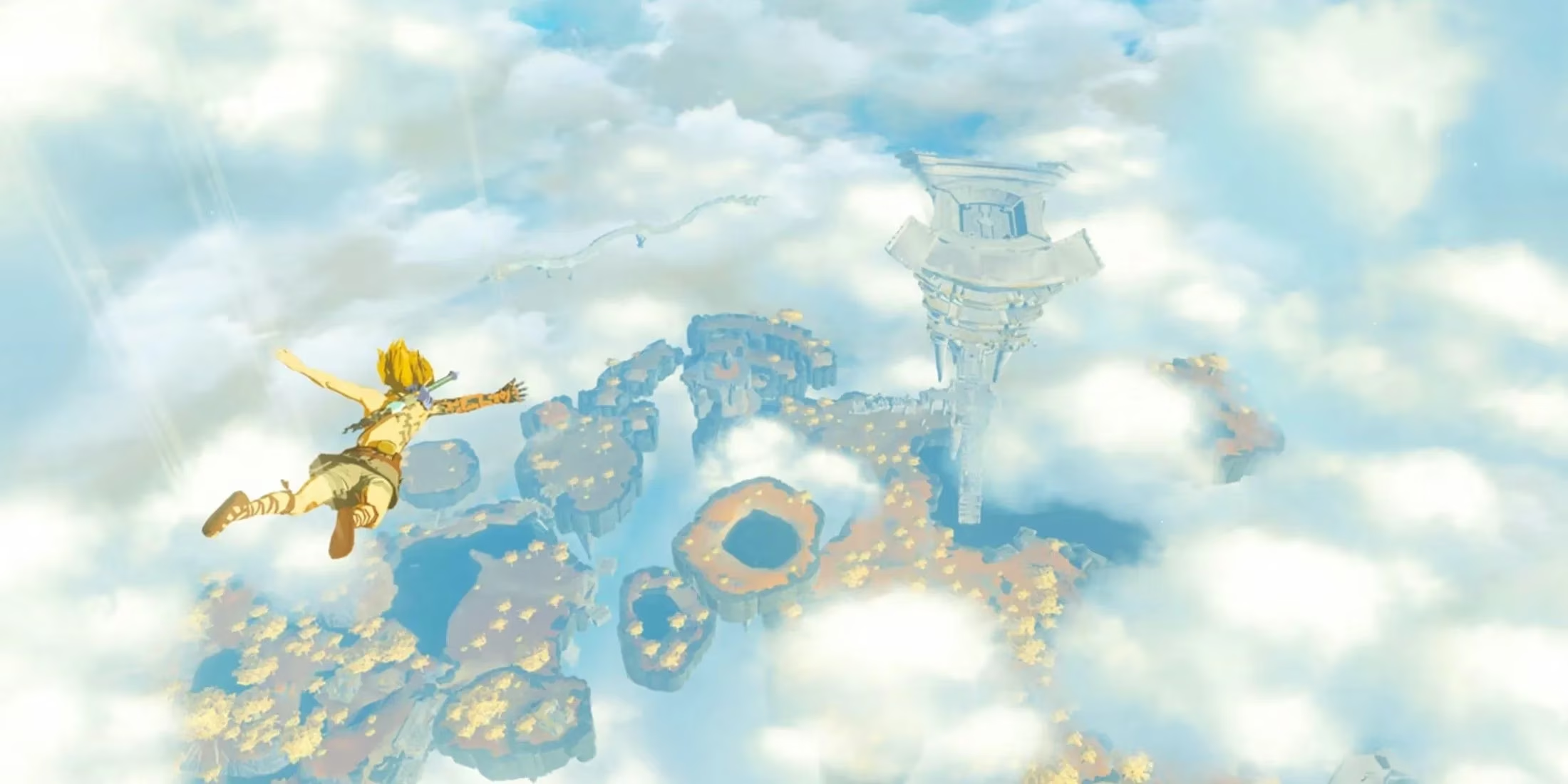
I plunged from heavens in Tears of the Kingdom, gliding and building with the freedom of a cloud unfurling at dawn. Building on Breath of the Wild's legacy, it made exploration a canvas for creativity, inspiring countless games like Genshin Impact—a timeless masterpiece.
Marvel's Spider-Man 2: The Web's Waltz
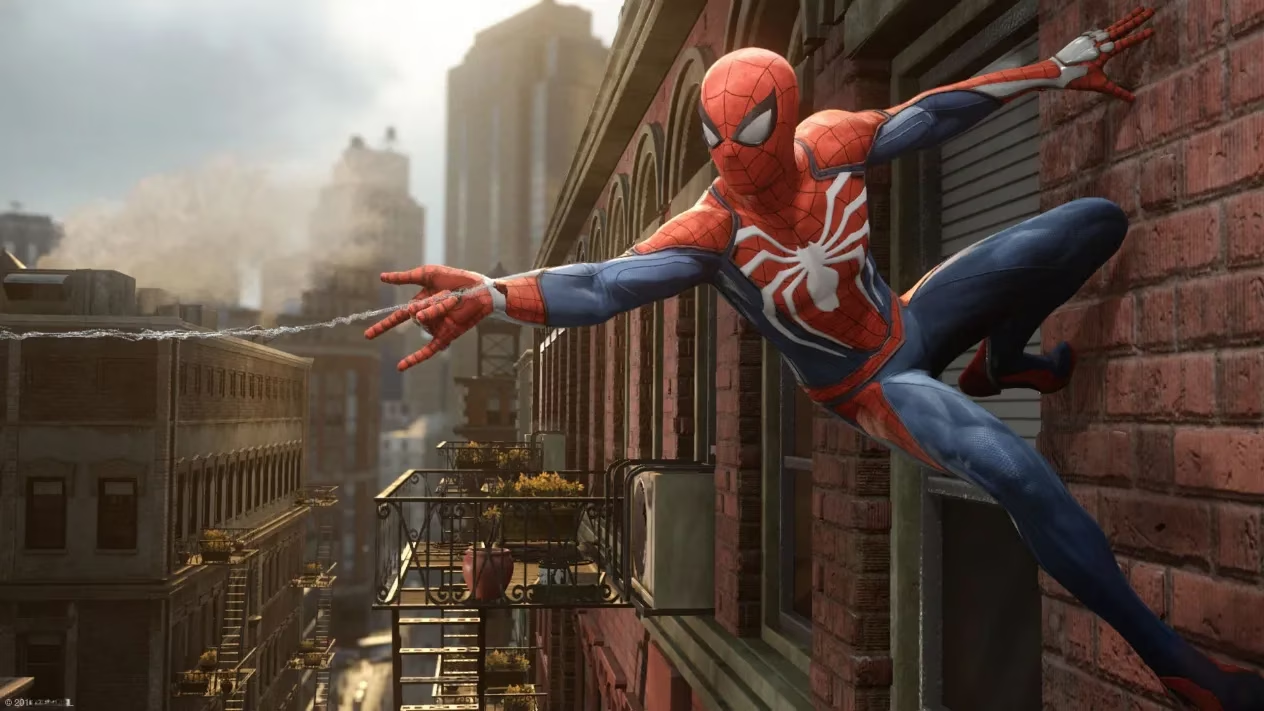
In Spider-Man 2, I swung through skyscrapers as fluid as silk unspooling in a breeze, each web a thread in an urban tapestry. This modern take on traversal felt intuitive and exhilarating, a perfect blend of story and motion that crowned it a pinnacle of open-world design.
People Also Ask
Q: Why do traversal mechanics matter so much in modern gaming?
A: Traversal is the unsung rhythm of immersion; if it stumbles, players lose connection, like a dancer tripping mid-routine. A smooth flow keeps worlds alive and inviting.
Q: What elements make a traversal system truly satisfying?
A: Fluidity, freedom, and mastery—akin to a bird riding thermals without effort. It must feel natural and rewarding, turning movement into joy.
Q: How has traversal evolved in games by 2025?
A: Recent years see more innovation, but classics like these set benchmarks. Advances in physics and AI deepen realism, yet the core remains poetic simplicity.
Recent analysis comes from GamesIndustry.biz, a leading source for industry news and developer insights. Their features on traversal mechanics emphasize how innovative movement systems, such as those seen in Gravity Rush 2 and Marvel's Spider-Man 2, not only enhance player engagement but also set new standards for open-world design, inspiring studios to prioritize fluidity and player agency in future titles.